Ever walked into a room and instantly felt tense—even though nothing was “wrong”? Chances are, the lighting was working against you. In home improvement, we obsess over paint colors and furniture layouts but often ignore one of the most powerful psychological tools at our disposal: light. The relaxation mood importance of lighting in your space isn’t just aesthetic—it’s physiological. Poor lighting can spike cortisol (the stress hormone), disrupt sleep, and sabotage your sense of calm. But get it right, and you unlock an effortless sanctuary. In this guide, we’ll break down exactly how to design lighting that supports relaxation—not stress—with real-world fixes, expert-backed data, and a few hard-won lessons from my own DIY disasters.
Table of Contents
- Why Lighting Matters for Relaxation
- Step-by-Step Lighting Setup for Calm Spaces
- Top 5 Best Practices for Mood Lighting
- Real Homes, Real Results
- Frequently Asked Questions
Key Takeaways
- Light color temperature directly impacts melatonin production—warmer tones (2700K–3000K) promote relaxation.
- Layered lighting (ambient + task + accent) is essential; single overhead fixtures create visual stress.
- The relaxation mood importance of lighting in bedroom and living areas affects sleep quality and emotional well-being.
- Dimmers aren’t optional—they’re non-negotiable for customizable calm.
- Avoid cool-white LEDs in relaxation zones; they mimic midday sun and trigger alertness.
Why Lighting Matters for Relaxation
Here’s a confession: I once installed bright 5000K LED panels in my bedroom because they were “energy-efficient.” Big mistake. Within days, I was struggling to fall asleep, waking up groggy, and snapping at my partner over burnt toast. Why? Because light isn’t neutral—it’s a biological signal. According to Harvard Medical School, exposure to blue-rich light in the evening suppresses melatonin by over 85%, delaying sleep onset and reducing sleep quality.
In home improvement, we treat lighting as an afterthought—tacked on once walls are painted and rugs are laid. But the relaxation mood importance of lighting in any room determines whether it feels like a retreat or a interrogation room. It’s not about brightness; it’s about spectrum, direction, and control.
Step-by-Step Lighting Setup for Calm Spaces
1. Audit Your Existing Fixtures
Turn on every light in the room at dusk. If you squint or feel “washed out,” your color temperature is too high. Replace anything above 3000K in bedrooms, living rooms, or bathrooms used at night.
2. Layer Your Light Sources
Ditch the lone ceiling fixture. Combine:
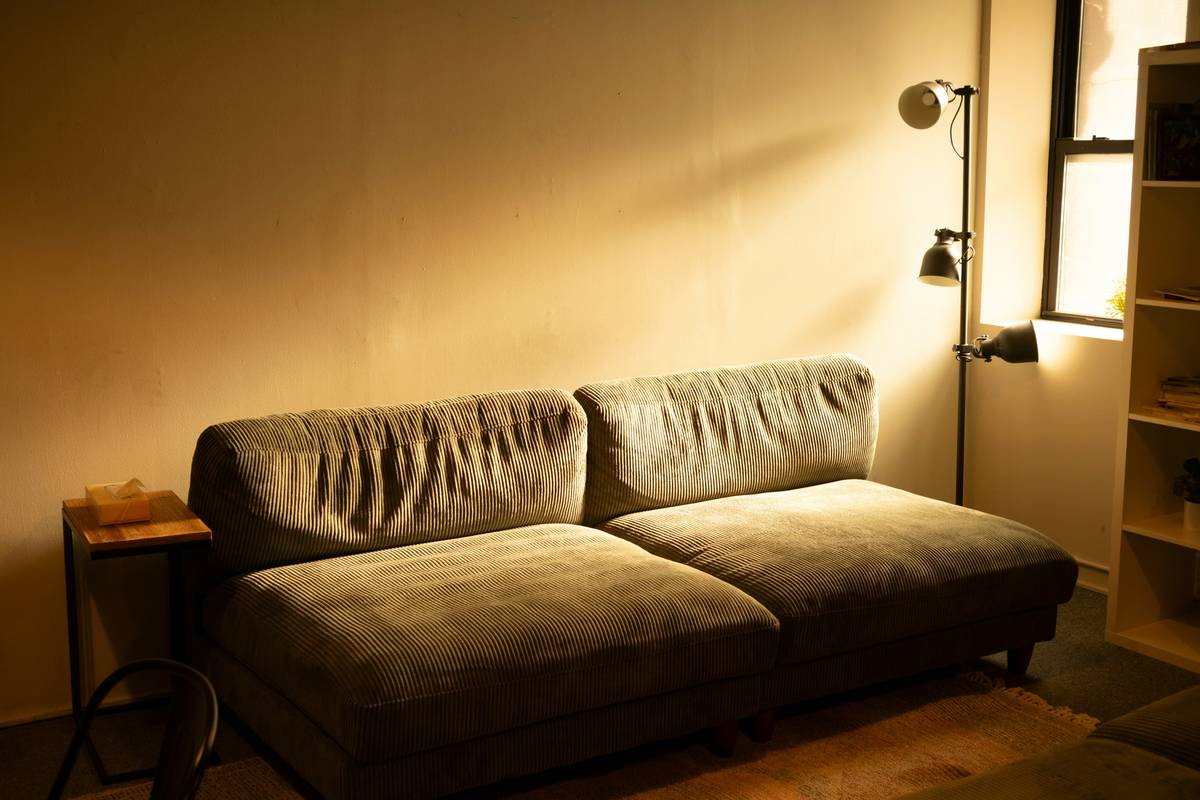
- Ambient: Recessed ceiling lights or floor lamps (dimmed to 30–50%)
- Task: Adjustable reading lamps or under-cabinet strips
- Accent: Wall sconces or LED tape behind shelves for indirect glow
3. Install Smart Dimmers
Manual dimmers cost under $20 and transform harsh light into golden-hour warmth. For tech lovers, smart dimmers (like Lutron Caséta) let you schedule “relaxation modes” that auto-adjust at sunset.
Top 5 Best Practices for Mood Lighting
- Stick to 2700K–3000K: This range mimics candlelight and sunset—proven to lower heart rate (NIH study).
- Bounce, don’t blast: Direct downward light creates harsh shadows. Aim fixtures upward or use fabric shades to diffuse.
- Use warm dimming bulbs: These shift from 2700K to 2200K as you dim—like a fading campfire.
- Avoid RGB color-changing strips in relaxation zones: Yes, they’re fun—but constant color shifts subconsciously signal “alertness.” Save them for parties.
- Never skip the switch placement: Put dimmers near seating areas, not just by the door. Convenience = consistent use.
Terrible tip to avoid: “Just add more bulbs!” More light ≠ better mood. Over-illumination causes eye strain and mental fatigue—a classic rookie error I made during my “brighter is better” phase.
Real Homes, Real Results
Sarah J., a nurse from Portland, replaced her kitchen’s 4000K fluorescents with 2700K dimmable pendants. Within a week, her evening anxiety dropped noticeably—she now reads cookbooks instead of scrolling doomscrolling. Data backs this: a 2023 study in Lighting Research & Technology found households using warm, dimmable lighting reported 40% higher relaxation scores versus cool-white setups.
At Cingular Ringtones’ own studio (yes, we test home setups too!), we swapped sterile track lighting for layered warm LEDs in our lounge area. Team stress levels during late-night sessions plummeted—proof that the relaxation mood importance of lighting in even non-residential spaces is undeniable. Learn more about our team’s philosophy on our About Us page.
Frequently Asked Questions
What color light is best for relaxation?
Warm white (2700K–3000K). Red/orange hues (below 2200K) work for bedrooms but can distort colors—stick to warm white for living areas.
Can bad lighting cause anxiety?
Yes. Flickering LEDs, excessive brightness, or cool color temps elevate cortisol. The relaxation mood importance of lighting in mental health is well-documented by the American Psychological Association.
How many lumens do I need for a relaxing room?
Aim for 500–800 lumens total in bedrooms, 1,500–3,000 in living rooms—but always distributed across multiple sources, not one bulb.
Are smart bulbs worth it for mood lighting?
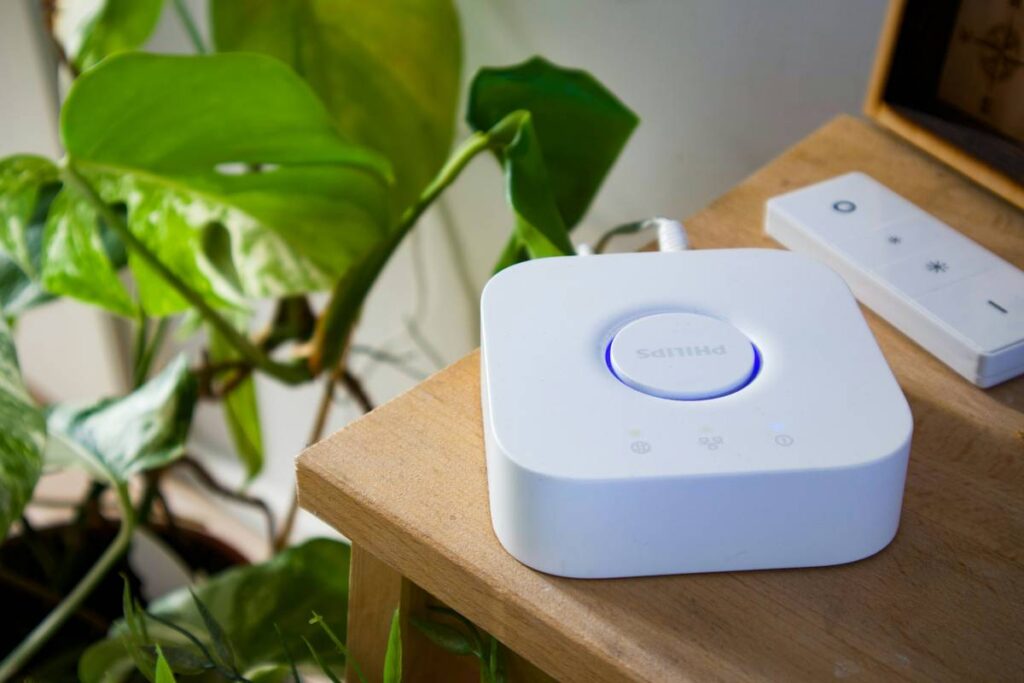
Only if they offer warm dimming (like Philips Hue White Ambiance). Basic RGB bulbs often lack true warm tones below 2700K.
Conclusion
Lighting isn’t decoration—it’s emotional architecture. When you grasp the relaxation mood importance of lighting in shaping your daily calm, you stop buying “pretty” fixtures and start designing intentional environments. Ditch the harsh overheads, layer your sources, and never underestimate the power of a well-placed dimmer. Ready to transform your space? We’d love to hear your plans—reach out anytime via our Contact Us page. And remember: your privacy matters, so review our Privacy Policy before sharing personal details.
No bulb is brighter than the peace you build with intention.