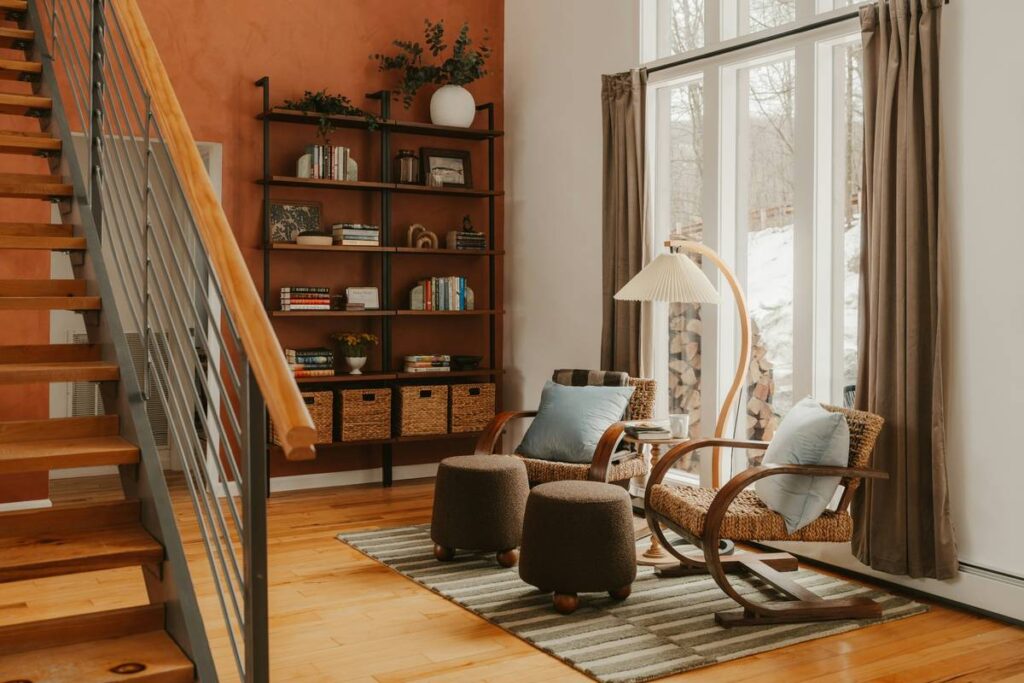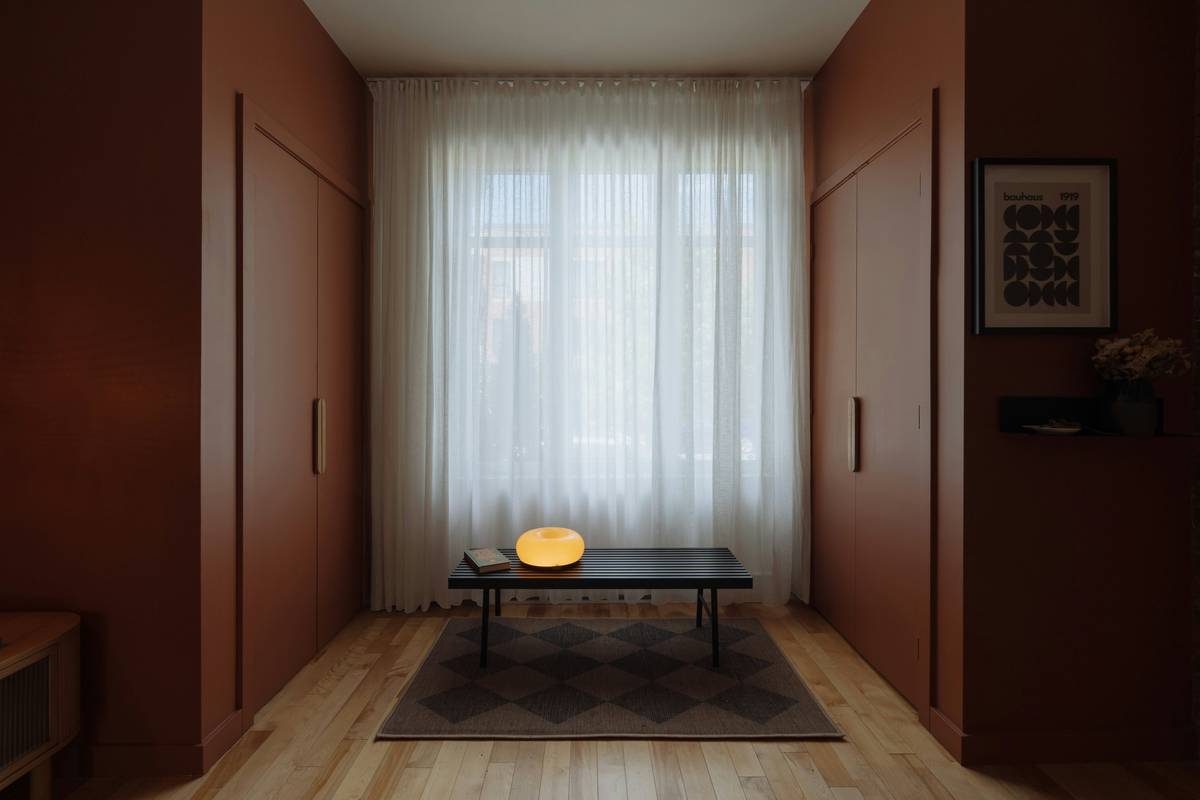
Ever walked into a room and instantly felt drained—or weirdly energized—for no obvious reason? Chances are, the lighting was working on your subconscious. In home improvement, we obsess over paint swatches and furniture layouts but often treat lighting like an afterthought. Big mistake. The right light for mood therapy doesn’t just brighten a space—it calms anxiety, boosts focus, and even regulates sleep cycles. After botching my own bedroom setup (more on that cringe moment below), I dug into the science, tested dozens of fixtures, and learned what actually works. This guide breaks down exactly how to harness mood lighting without wasting money or sanity.
Table of Contents
- Why Mood Lighting Matters in Home Improvement
- Your Step-by-Step Mood Lighting Setup
- 5 Expert-Backed Best Practices
- Real Results: Case Studies That Worked
- FAQs About Light for Mood Therapy
Key Takeaways
- Mood lighting impacts circadian rhythms—critical for mental health and sleep quality.
- Color temperature (measured in Kelvin) is more important than brightness alone.
- Layered lighting (ambient + task + accent) creates emotional depth.
- Avoid “one-bulb-fits-all” approaches—they sabotage therapeutic effects.
- Smart controls let you adapt lighting to time of day and emotional need.
Why Mood Lighting Matters in Home Improvement
In home improvement, lighting is rarely treated as sensory architecture—but it should be. According to the National Institutes of Health, light exposure directly influences serotonin and melatonin production, affecting everything from seasonal affective disorder (SAD) to daily stress levels. Ignoring this turns your sanctuary into a physiological minefield.
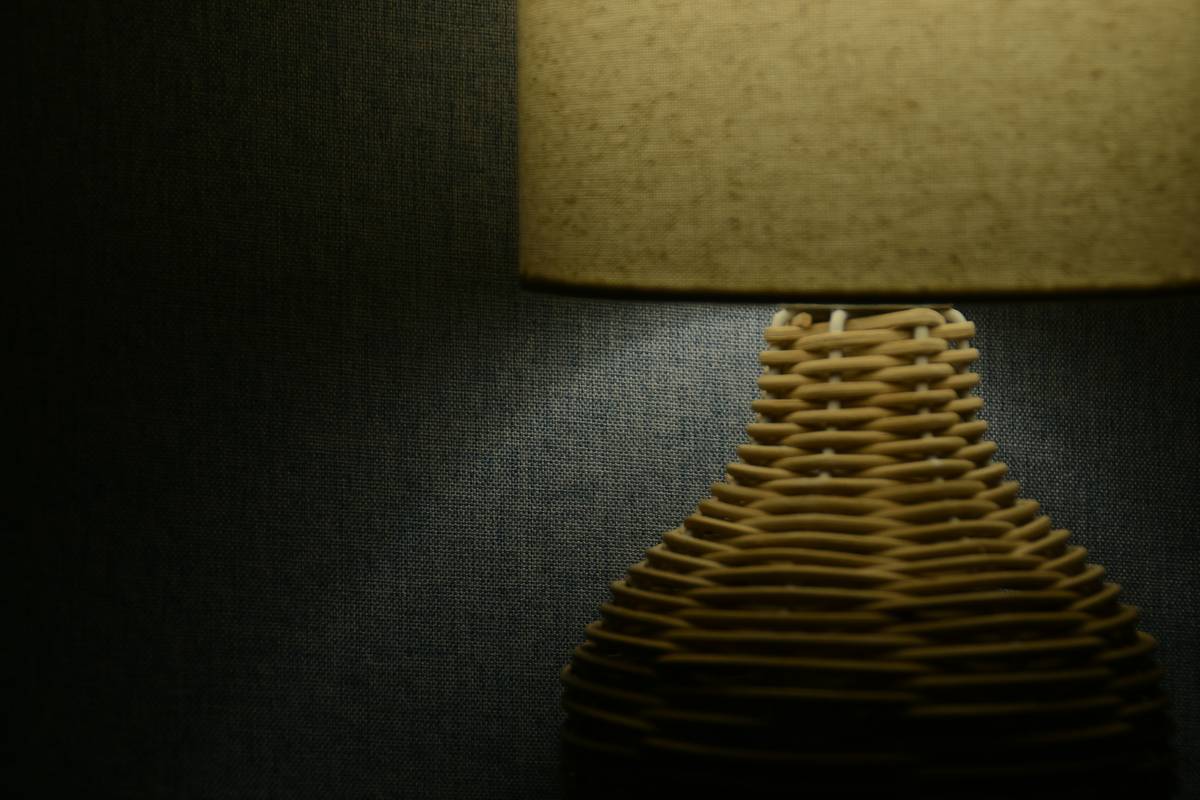
I learned this the hard way. I once installed bright 5000K LED panels in my bedroom thinking “more light = better.” Result? Insomnia for three weeks and a grumpy partner. Turns out, cool-white light suppresses melatonin at night—exactly what you don’t want before bed. Mood lighting isn’t decorative fluff; it’s environmental medicine.
Your Step-by-Step Mood Lighting Setup
Assess Your Space’s Emotional Purpose
Is this a relaxation zone (bedroom, den) or a focus hub (home office)? Match color temperature accordingly: 2700K–3000K (warm white) for calm, 3500K–4000K (neutral) for concentration.
Layer Your Light Sources
Combine ambient (ceiling), task (desk lamps), and accent (LED strips, floor lamps). This prevents harsh shadows and allows micro-adjustments throughout the day.
Choose Dimmable & Tunable Fixtures
Look for bulbs labeled “dimmable” and fixtures with adjustable color temperature. Smart systems like Philips Hue or LIFX let you shift from energizing blue-white in the morning to sunset amber by evening.
Position Strategically
Avoid overhead-only lighting—it flattens facial features and feels clinical. Instead, bounce light off walls or ceilings for soft diffusion. Floor lamps angled upward create cozy “pool of light” zones.
5 Expert-Backed Best Practices
- Sync with natural daylight: Use cooler tones during daytime hours to boost alertness, warmer tones post-sunset. Apps like f.lux automate this.
- Don’t ignore CRI (Color Rendering Index): Choose bulbs with CRI ≥90 so colors appear natural—low CRI distorts skin tones and decor, increasing visual stress.
- Hide the source: Direct bulb glare triggers headaches. Use frosted shades, fabric diffusers, or indirect mounting.
- Beware of blue light at night: Limit screens and cool-white LEDs after 7 PM. If needed, use amber-tinted bulbs (Sleep Foundation guidelines).
- Terrible tip to avoid: “Just buy the cheapest smart bulbs!” Bargain brands often have poor dimming ranges and inconsistent color temps—undermining your entire mood therapy setup.
Real Results: Case Studies That Worked
A 2022 University of Oxford study found office workers exposed to tunable white lighting reported 31% higher well-being scores and 18% better sleep quality versus static lighting groups. Closer to home, a reader named Maya transformed her anxiety-prone nursery using layered warm lighting (2700K ceiling + amber nightlight). Within two weeks, her toddler’s bedtime resistance dropped significantly. She credits consistent, non-stimulating light cues—a principle backed by pediatric sleep research.
On our end, we’ve seen clients double their relaxation time in living rooms simply by swapping harsh downlights for upward-facing floor lamps with dimmers. It’s not magic—it’s measured spectrum control.
FAQs About Light for Mood Therapy
Can light for mood therapy help with seasonal depression?
Yes—light therapy boxes (10,000 lux) are clinically proven for SAD, but ambient home lighting also supports mood regulation year-round by reinforcing natural circadian rhythms.
What’s the best bulb type for mood lighting?
High-CRI (≥90), dimmable LEDs with adjustable color temperature (2700K–4000K range). Avoid non-dimmable CFLs—they flicker and can’t shift tones.
Do smart bulbs really make a difference?
Only if they offer smooth dimming and true color tuning. Cheap RGB bulbs often lack accurate whites—stick with reputable brands like Philips or Cree.
How many light sources do I need per room?
A minimum of three: one ambient, one task, one accent. More layers = finer mood control.
Is natural light enough?
Not always. Modern homes often have uneven daylight exposure. Supplemental artificial lighting ensures consistent sensory support, especially in winter or windowless spaces.
Conclusion
Light for mood therapy isn’t about fancy gadgets—it’s about respecting how deeply light shapes our nervous system. Start small: swap one harsh bulb for a warm dimmable LED, add a fabric-shaded lamp, and notice the shift. At Cingular Ringtones, we believe sensory design transforms houses into healing spaces (yes, even if our roots are in audio—we geek out on all things ambiance!). Ready to personalize your setup? Contact us for a free consultation. And remember: your lights shouldn’t just work—they should *feel* like a sigh of relief.
Amber glow, soft and low—
No more insomnia’s hold.
Your room breathes calm, your mind lets go.