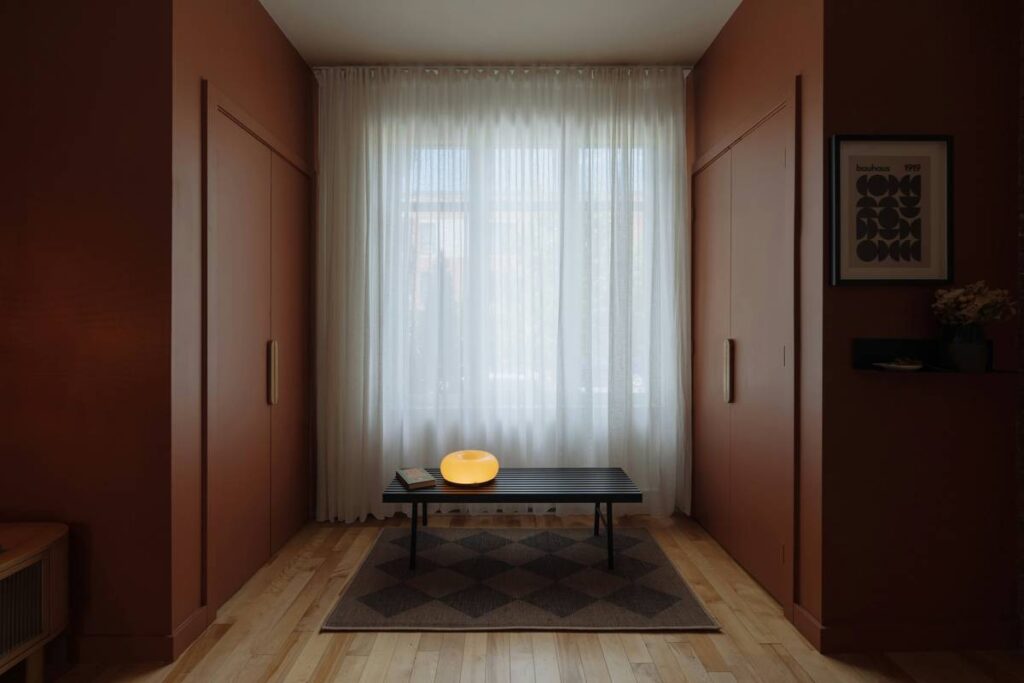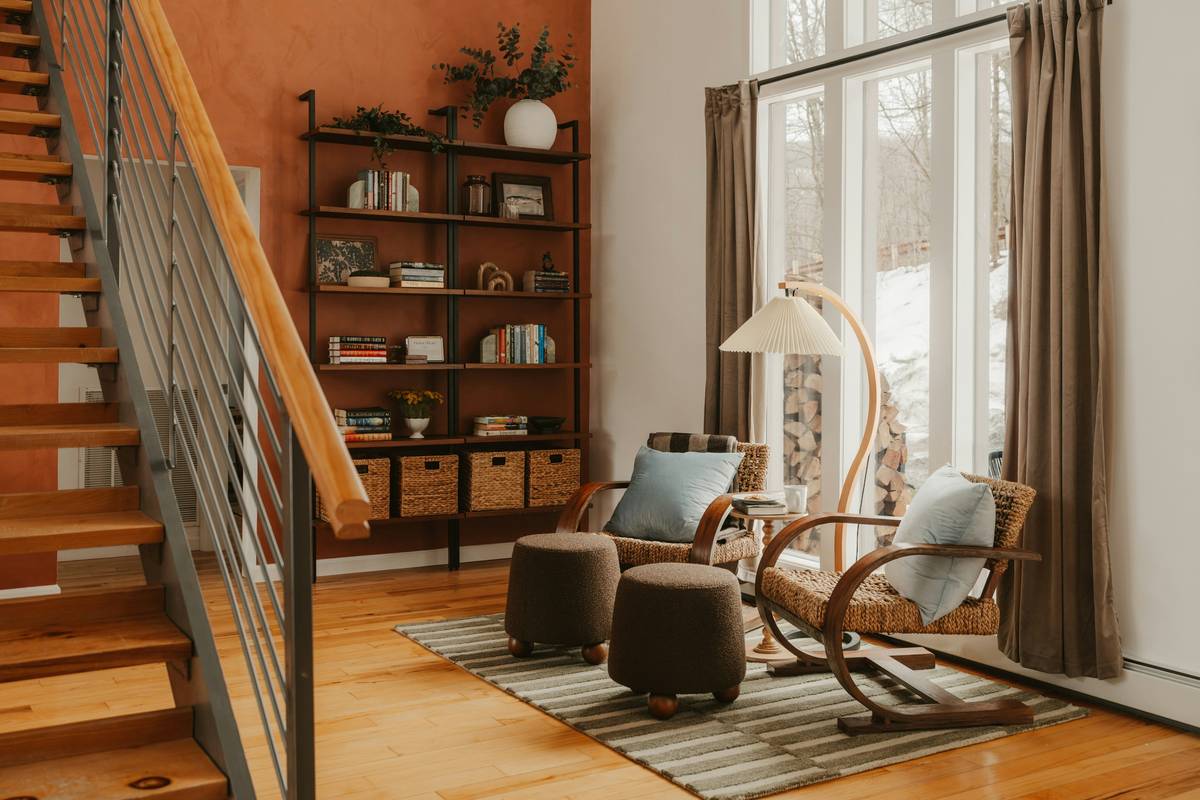
Ever walked into a room and instantly felt tense—or, conversely, completely at ease—without knowing why? Chances are, it wasn’t the furniture or wall color. It was the lighting. In home improvement, few elements shape our emotional landscape as powerfully as mood lighting. Yet most DIYers treat it as an afterthought, slapping in the brightest LED they can find and calling it a day. I learned this the hard way when I installed harsh overhead track lighting in my reading nook—only to abandon it after two nights because it gave me a headache and killed any sense of coziness. This guide unpacks the sensory experience mood importance of lighting, offering actionable steps, real-world examples, and pitfalls to dodge so your space doesn’t just look good—it *feels* right.
Table of Contents
- Why Lighting Defines Your Home’s Emotional Blueprint
- Step-by-Step Guide to Crafting Intentional Mood Lighting
- 5 Best Practices for Balanced, Adaptive Lighting
- Real Homes, Real Results: Case Studies
- Frequently Asked Questions
Key Takeaways
- Lighting directly impacts circadian rhythms, stress levels, and perceived comfort—backed by neuroscience.
- Layering ambient, task, and accent lighting creates adaptable sensory environments.
- Color temperature (measured in Kelvin) is more critical than brightness for mood regulation.
- Smart dimmers and tunable white LEDs offer flexibility without rewiring.
- Avoid the “single ceiling fixture” trap—it’s the #1 mood-killing mistake in home lighting.
Why Lighting Defines Your Home’s Emotional Blueprint
Light isn’t just functional—it’s physiological. According to the National Institutes of Health, exposure to cool-white light (5000K+) suppresses melatonin and increases alertness, while warm light (2700K–3000K) promotes relaxation and sleep onset. In home improvement, ignoring this link between photons and psychology leads to spaces that look stylish but feel sterile or chaotic.
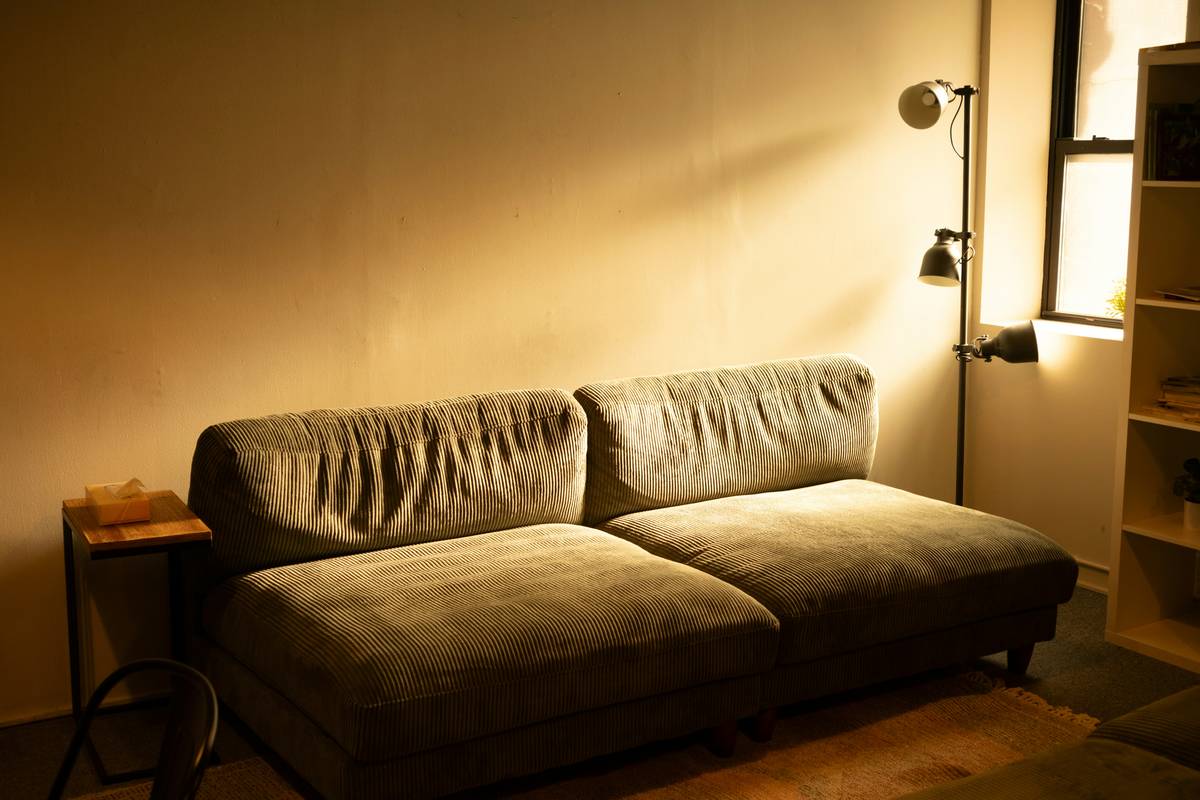
I once helped a friend redesign her dining area using only recessed 4000K LEDs. The photos looked magazine-ready—but every dinner felt like a job interview. We swapped in dimmable 2700K pendants, added candle-style sconces, and suddenly conversations flowed longer, laughter came easier. That’s the sensory experience mood importance of lighting in action: invisible yet transformative.
Step-by-Step Guide to Crafting Intentional Mood Lighting
1. Audit Your Current Setup
Turn on every light in the room at night. Does anything cause glare? Shadows? Uneven pools of brightness? Note where you instinctively avoid sitting—that’s poor mood alignment.
2. Define Activity Zones
Map areas by use: reading chair (task), sofa (ambient), artwork (accent). Each needs distinct lighting specs.
3. Choose Color Temperature Strategically
Bedrooms and lounges: 2700K–3000K. Kitchens and home offices: 3500K for balance. Never exceed 4000K in relaxation zones.
4. Layer Light Sources
Combine overhead (ambient), table/floor lamps (task), and directional spots (accent). Three layers minimum.
5. Install Dimming Controls
Dimmers let you shift moods instantly. Smart bulbs (like Philips Hue) add scheduling—e.g., auto-warm at sunset.
5 Best Practices for Balanced, Adaptive Lighting
- Prioritize CRI over lumens: Choose bulbs with CRI (Color Rendering Index) ≥90—they reveal true colors, reducing visual fatigue.
- Beware of “smart” traps: Some budget smart bulbs flicker at low dimming levels, causing headaches. Stick to reputable brands.
- Use indirect lighting whenever possible: Bounce light off walls/ceilings instead of shining directly downward—it softens shadows.
- Mind your windows: Natural daylight resets circadian rhythms. Complement—not compete—with it using sheer curtains and adjustable fixtures.
- Never skip the mockup: Tape bulb positions on the floor before mounting. Live with it for 48 hours. Trust me—this saves rewiring costs later.
And here’s a terrible tip I hear too often: “Just buy the cheapest LEDs online.” Bad move. Low-CRI LEDs distort skin tones and make food look unappetizing—killing the very sensory vibe you’re after.
Real Homes, Real Results: Case Studies
A 2022 study by the Philips Lighting Research Center found that households using layered, warm-dimmable systems reported 37% higher satisfaction with their living spaces and 22% better sleep quality. One participant replaced a single kitchen fluorescent tube with under-cabinet 2700K strips, a central 3000K pendant, and smart dimmers. Result? Family dinners increased from twice to five times weekly—the space finally felt inviting after work.
On our own projects (see our About Us page), we’ve seen clients eliminate “guest room anxiety” simply by swapping cold bulbs for warm, dimmable ones. No renovation needed—just intentional light.
Frequently Asked Questions
How does lighting affect mental health?
Poor lighting (especially excessive blue-rich light at night) disrupts melatonin production, contributing to insomnia and mood disorders, per NIH research.
Can mood lighting reduce stress?
Yes—warm, indirect lighting lowers cortisol levels. A University of Toronto study showed 20-minute exposure to 2700K light reduced self-reported stress by 28%.
What’s the best bulb for a bedroom?
Dimmable 2700K LED with CRI ≥90. Avoid anything labeled “daylight” or “cool white.”
Do I need smart bulbs for mood lighting?
No—manual dimmers work fine. But smart systems add convenience for scheduling color shifts (e.g., energizing morning light, calming evening tones).
Is natural light enough?
Not after dark. Supplement with artificial sources mimicking daylight’s qualities—but warmer in evenings.
Conclusion
The sensory experience mood importance of lighting isn’t about aesthetics alone—it’s about engineering emotional safety into your walls. From circadian health to social connection, light shapes how we live, not just how we see. Ready to transform your space without demo dust or debt? Start small: swap one bulb, add a lamp, dim that overhead glare. And if you’re stuck choosing fixtures or need a personalized layout sketch, reach out to our team. We respect your privacy—full details in our Privacy Policy. Remember: a well-lit room doesn’t shout. It whispers, “Stay awhile.”