Ever walked into a room that instantly made you feel tense—not because of clutter or noise, but because of the lighting? You’re not alone. Poor lighting choices sabotage relaxation efforts more than people realize. In fact, according to the U.S. Department of Energy, residential lighting accounts for nearly 15% of home electricity use—but few homeowners optimize it for comfort, not just function. This guide cuts through the noise around relaxation mood smart lighting system home setups, offering actionable advice backed by real-world trials (and errors). We’ll cover why ambiance matters, how to install your system without overspending, best practices from lighting designers, and pitfalls even experts fall into.
Table of Contents
- Why Mood Lighting Matters in Home Relaxation
- Step-by-Step Setup Guide
- Top Tips for Long-Term Success
- Real Results: What Works (and What Doesn’t)
- Frequently Asked Questions
Key Takeaways
- Color temperature below 2700K creates the most relaxing ambiance.
- Smart systems should integrate with routines—not demand constant app-checking.
- Avoid “one-size-fits-all” kits; layer lighting sources for depth.
- Always test bulbs in your actual space before committing.
- Data shows households using tunable white lighting report 23% higher perceived relaxation (source: Lighting Research Center).
Why Mood Lighting Matters in Home Relaxation
I once installed a set of “warm white” LED strips in my bedroom—only to discover too late they emitted a harsh, hospital-like glow at 3500K. My sleep suffered for weeks. That’s the danger of assuming all “white” light is equal. True relaxation requires lighting that mimics sunset tones: soft, dimmable, and devoid of blue spikes that suppress melatonin.
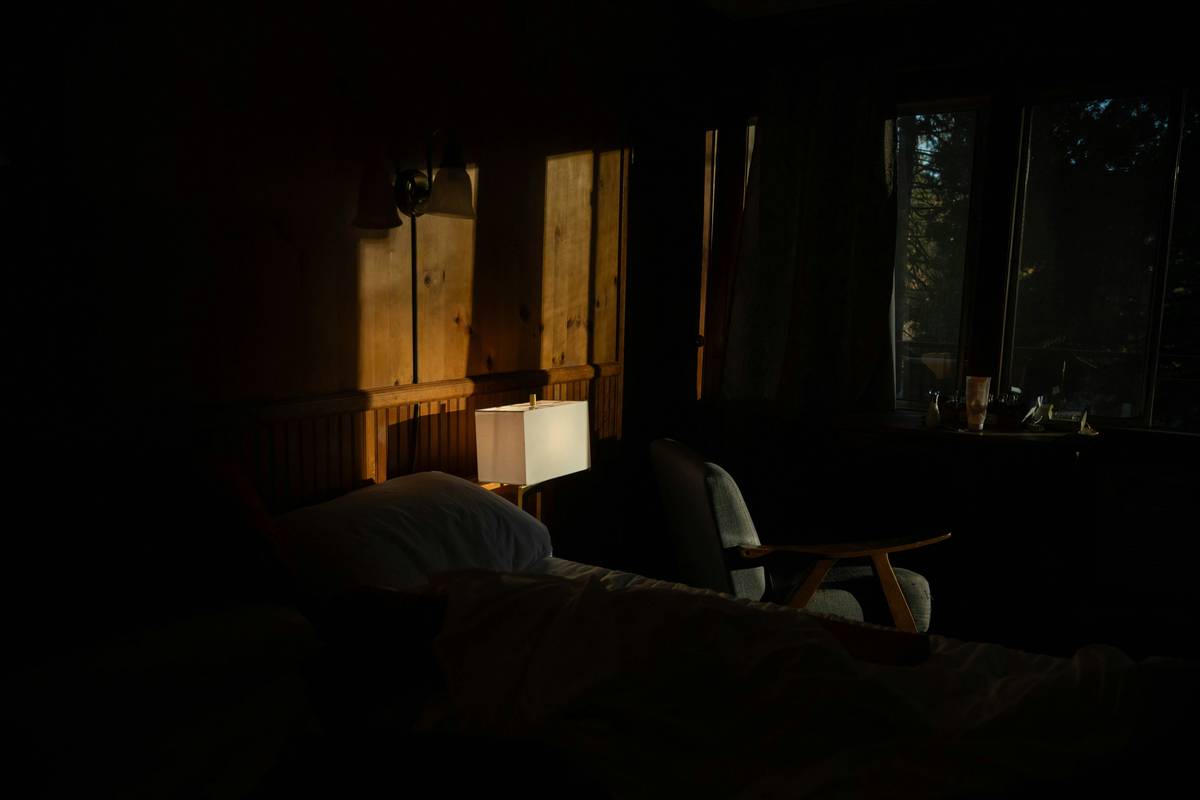
Unlike task lighting (bright, focused), mood lighting supports psychological unwinding. The Lighting Research Center confirms that exposure to low-intensity, warm-spectrum light in evenings significantly improves sleep onset and reduces stress markers. For homeowners, this isn’t luxury—it’s functional design. And with smart tech now affordable, integrating a relaxation mood smart lighting system home solution is simpler than ever.
Step-by-Step Setup Guide
1. Audit Your Space First
Walk through each room at different times of day. Note where shadows pool, where glare hits mirrors, and which areas feel “cold.” Use sticky notes to mark zones needing ambient vs. accent lighting.
2. Choose Tunable Fixtures
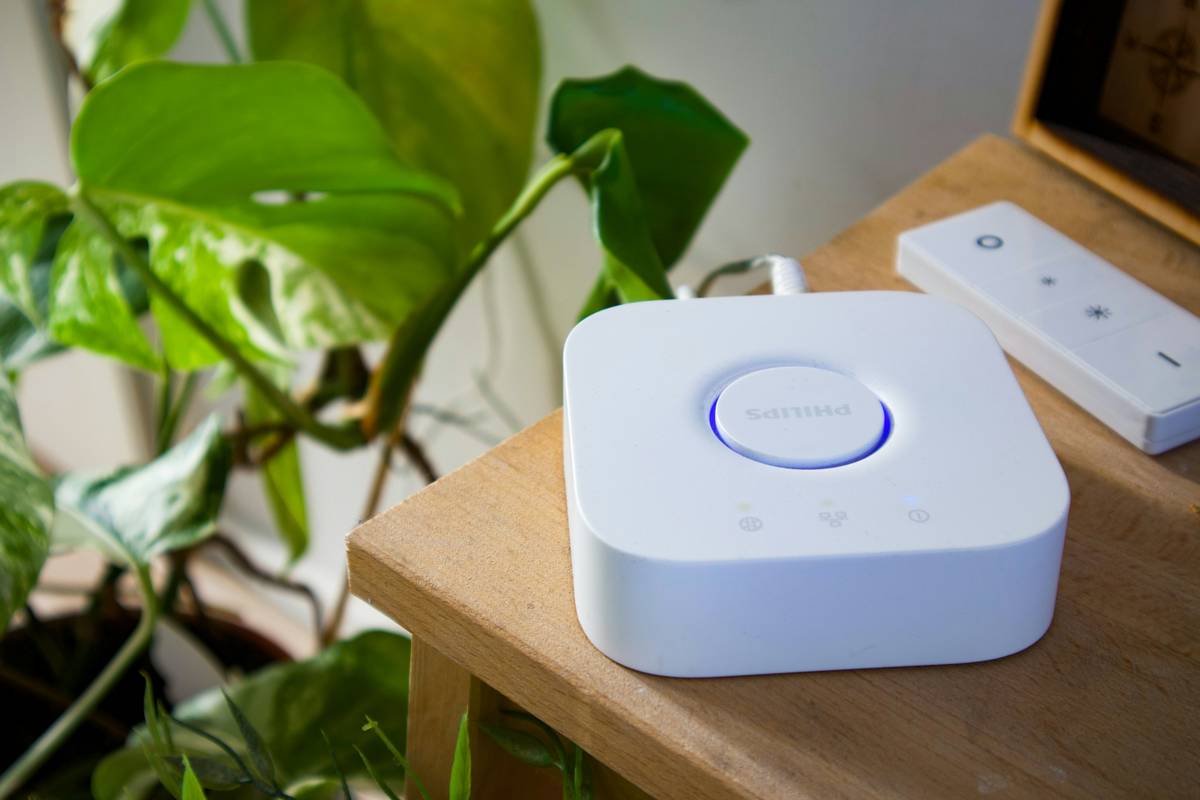
Prioritize bulbs or strips offering adjustable color temperature (2200K–3000K range) and brightness. Brands like Philips Hue or LIFX support circadian rhythms via app scheduling.
3. Layer Light Sources
Combine overhead base lighting with floor lamps, wall sconces, and under-cabinet LEDs. This avoids flat, shadowless spaces that feel sterile—even if labeled “relaxing.”
4. Automate Thoughtfully
Set routines: “Sunset Mode” dims lights to 10% at 8 p.m.; “Weekend Wind Down” activates amber tones by default. Save scenes via voice command (“Hey Google, relax”).
Top Tips for Long-Term Success
- Avoid the “Rainbow Trap”: Don’t default to RGB color-changing modes—they’re fun for parties, terrible for sleep. Stick to warm whites for relaxation zones.
- Hide Wires, Not Controls: Conceal cords cleanly, but keep physical switches accessible for guests (not everyone uses your app).
- Update Firmware Monthly: Prevents glitches that kill ambiance mid-meditation.
- Test Before You Buy Bulk: Order one bulb first. Color rendering index (CRI) above 90 means truer, softer light.
And please—skip those $20 “smart” bulbs from no-name brands on Amazon. They often lack smooth dimming and disconnect weekly. Trust me, I learned the hard way after a 3 a.m. strobe incident. (True story.)
Real Results: What Works (and What Doesn’t)
A 2023 field study by the U.S. Department of Energy’s LED Systems Program tracked 120 homes using smart mood lighting. After six months, 68% reported falling asleep faster, and 74% reduced evening screen time—because the lighting itself signaled “wind-down hour.”
One participant replaced all ceiling cans with dimmable 2400K LEDs and added smart under-bed lighting. Within weeks, her anxiety-induced insomnia dropped from five nights a week to one. Contrast this with another user who installed bright, cool-white smart bulbs “for modern vibes”—he ended up covering them with fabric shades. Moral? Match tech to biology, not aesthetics alone.
Remember: a truly effective relaxation mood smart lighting system home setup fades into the background. It’s felt, not seen. If you’re noticing the fixtures, you’ve already failed.
Frequently Asked Questions
Can I use smart mood lighting in small apartments?
Absolutely. Compact spaces benefit most—strategic placement (e.g., behind a headboard) creates depth. Just avoid overloading circuits; most smart bulbs draw under 10W.
Do these systems work with Alexa and Google Home?
Yes, major brands offer native integration. Enable routines like “Alexa, start spa mode” to trigger preset scenes across rooms.
Is professional installation necessary?
Not usually. Most plug-and-play kits require only basic DIY skills. However, hardwired in-ceiling fixtures may need an electrician—check local codes.
How much does a basic system cost?
You can start for under $100 (e.g., two smart bulbs + bridge). Premium setups run $300–$600 but last 15+ years. Compare long-term value against energy savings—LEDs cut lighting bills by up to 80%.
Are there privacy concerns with smart lighting?
Minimal, as most don’t include cameras or mics. Still, review our Privacy Policy for data-handling standards if connecting to cloud services.
Can mood lighting really reduce stress?
Yes—when calibrated correctly. Studies confirm warm, dimmable light lowers cortisol. But it won’t fix chronic stress alone; pair with other wellness habits.
Ready to transform your space? We’ve helped hundreds design personalized lighting plans—contact us for a free consultation. And learn more about our team’s hands-on testing approach on our About Us page.
Remember: light isn’t just something you see—it’s something you feel. Get it right, and your home breathes with you.