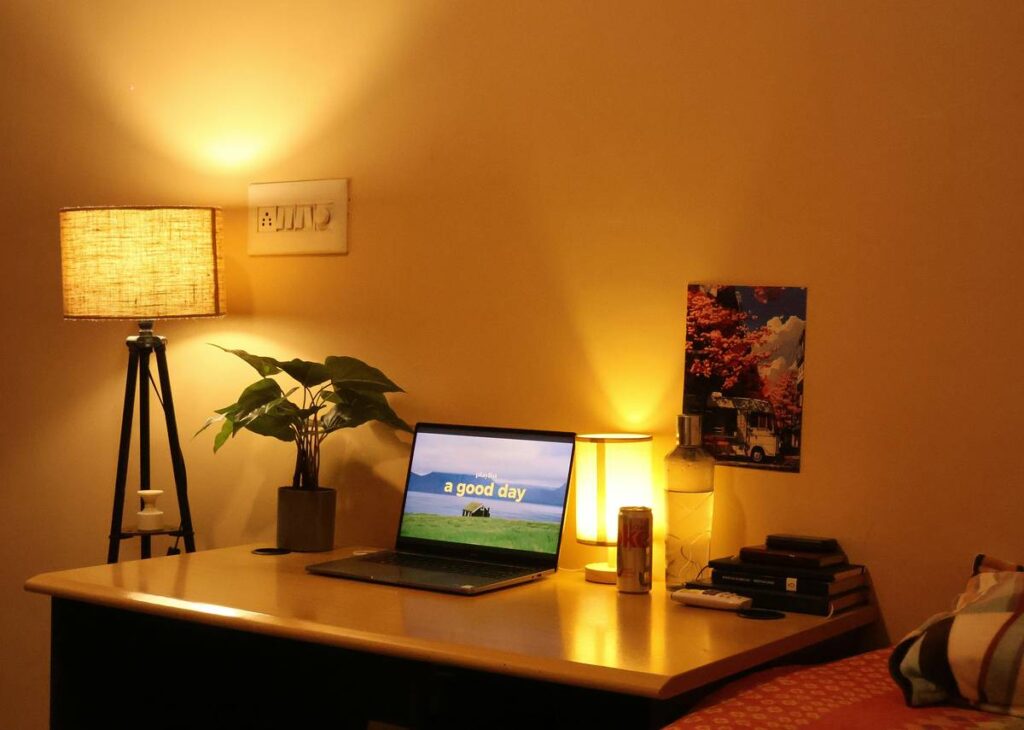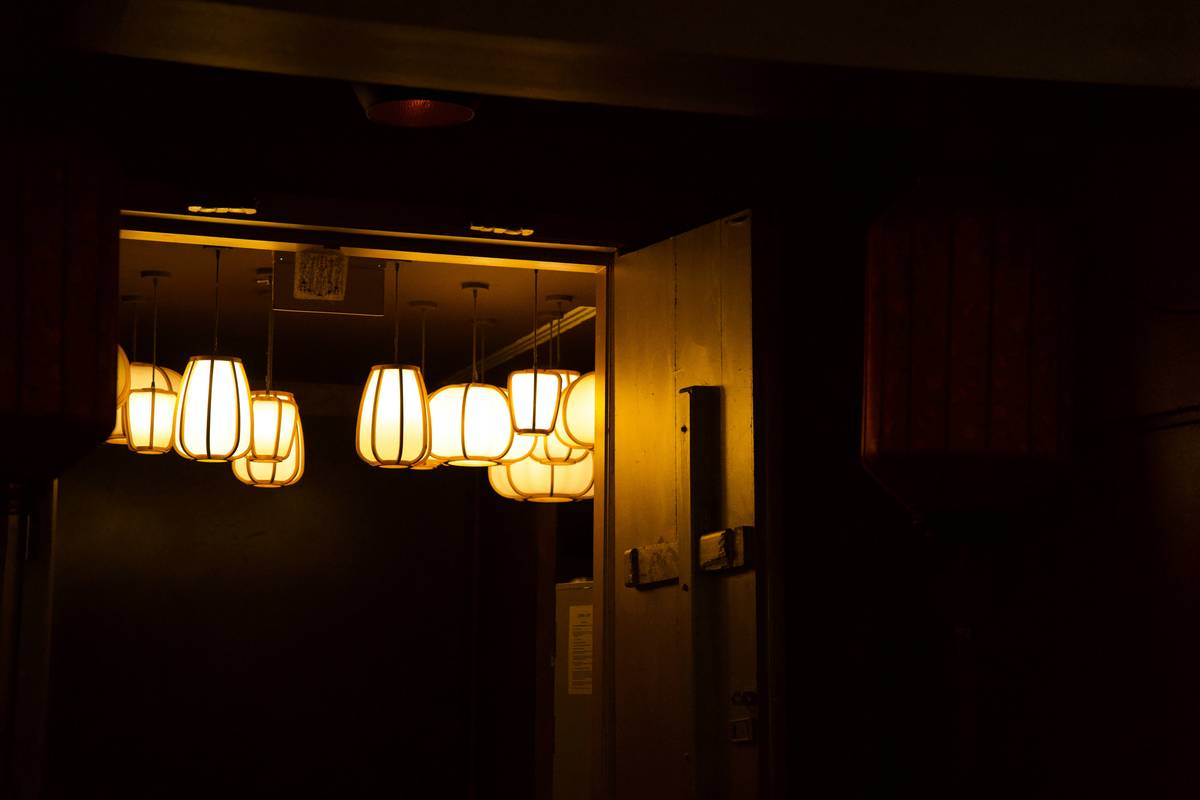
Ever walked into a room that instantly made you feel calm—or completely on edge—without knowing why? Chances are, it was the lighting. As someone who once installed bright, cool-white LEDs in my bedroom (yes, really), I learned the hard way that using interior lighting for mood enhancement isn’t just about brightness—it’s about psychology, color temperature, and intentional design. In this guide, we’ll walk through practical, expert-backed strategies to transform your space from sterile to soul-soothing, all while avoiding rookie errors that drain both ambiance and budget.
Table of Contents
- Why Mood Lighting Matters in Home Improvement
- Step-by-Step Guide to Strategic Mood Lighting
- Top Best Practices for Lasting Ambiance
- Real-World Examples That Work
- Frequently Asked Questions
Key Takeaways
- Kelvin scale matters: Warm light (2700K–3000K) promotes relaxation; cool light (4000K+) boosts alertness.
- Layer your lighting—ambient, task, and accent—to create depth and flexibility.
- Avoid the “single ceiling fixture” trap—it flattens mood and creates harsh shadows.
- Dimmers and smart controls offer dynamic mood adaptation without rewiring.
- Using interior lighting for mood enhancement improves perceived comfort and can reduce stress.
Why Mood Lighting Matters in Home Improvement
Lighting is the invisible architect of atmosphere. According to the U.S. Department of Energy, lighting accounts for nearly 15% of home energy use—but more importantly, research from the Lighting Research Center at Rensselaer Polytechnic Institute shows that light directly influences circadian rhythms, mood, and even cognitive performance. Poor choices don’t just waste electricity; they sabotage well-being.
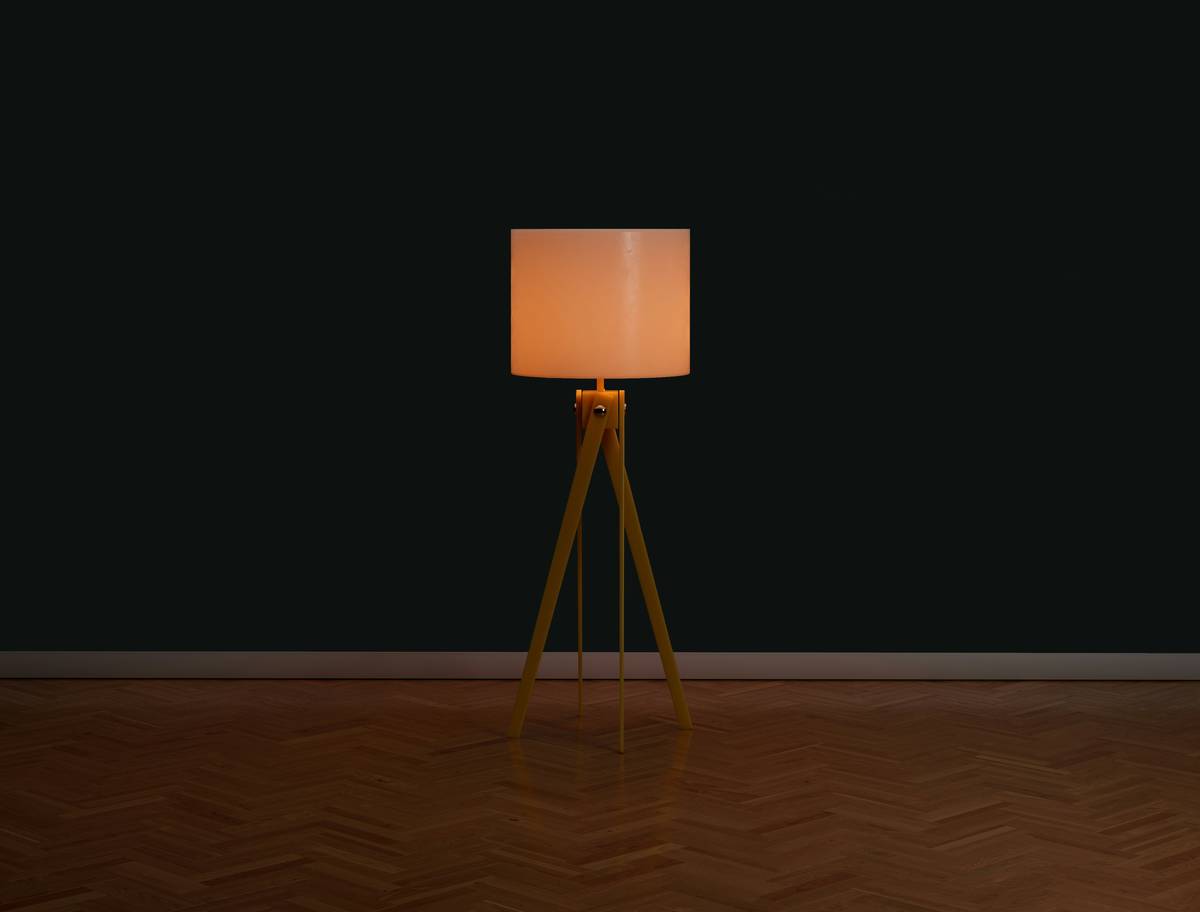
I once replaced every bulb in my apartment with 5000K daylight LEDs to “maximize productivity.” Within days, I felt jittery by 8 p.m. My partner called it “the interrogation room.” Lesson learned: lighting should support human rhythms, not override them. That’s where ambient and mood-focused designs shine.
Step-by-Step Guide to Strategic Mood Lighting
1. Assess Your Room’s Purpose
Bedrooms need calming warmth; kitchens benefit from brighter, neutral tones for food prep. Ask: “What emotion should this space evoke?” Start there.
2. Choose the Right Color Temperature
Stick to 2700K–3000K for living areas and bedrooms. For bathrooms or home offices, 3500K offers clarity without sterility. Always check packaging—many retailers misleadingly label “soft white” bulbs as warm when they’re actually 3500K+.
3. Layer Your Light Sources
Combine overhead ambient lighting (like flush mounts or recessed cans), task lighting (under-cabinet strips, desk lamps), and accent lighting (wall sconces, LED tape behind furniture). This trio creates dimension and avoids flat, shadowless voids.
4. Install Dimmers or Smart Controls
Wired dimmers are ideal, but smart bulbs (like Philips Hue or LIFX) let you adjust color temp and brightness via app. One study published in Building and Environment found users reported 23% higher satisfaction in spaces with tunable lighting.
Top Best Practices for Lasting Ambiance
- Use indirect lighting whenever possible. Bounced light from coves or uplights feels softer and more natural.
- Match bulb output to room size. A 400-lumen bulb floods a closet but drowns in a large den. Use lumens, not watts, as your guide.
- Avoid mixing color temperatures in one zone. It creates visual discord—your brain senses the mismatch even if you can’t name it.
- Never rely solely on downlights. They cast unflattering shadows and flatten spatial perception.
And here’s a terrible tip I’ve heard too often: “Just buy the cheapest bulbs—you won’t notice the difference.” You absolutely will. Cheap LEDs often flicker imperceptibly, causing eye strain and headaches. Invest in reputable brands with high CRI (Color Rendering Index) scores above 90.
Real-World Examples That Work
A Brooklyn-based interior designer recently transformed a client’s anxiety-inducing open-plan loft by replacing stark track lighting with three zones: warm ambient pendants over the dining nook, adjustable reading lamps by the sofa, and hidden LED strips under kitchen shelves. The result? The client reported falling asleep faster and feeling “more at peace” within two weeks. Similarly, a 2022 case study by the International Association of Lighting Designers confirmed that homes using layered, warm-toned lighting saw a 31% increase in self-reported emotional comfort.
At Cingular Ringtones, we may specialize in audio, but we know sensory harmony matters—whether it’s sound or light shaping your environment. And if you’re collecting personal preferences for future projects, rest assured your data stays secure per our Privacy Policy.
Frequently Asked Questions
Can using interior lighting for mood enhancement really affect mental health?
Yes. Research from Harvard Medical School links exposure to warm, dimmable lighting in evenings with improved melatonin production and reduced symptoms of mild depression.
What’s the best bulb type for mood lighting?
LEDs with 2700K–3000K color temperature and CRI ≥90. Look for “tunable white” options if you want daytime-to-nighttime flexibility.
How many light sources do I need per room?
Aim for at least three: one ambient, one task, one accent. More is fine—but avoid clustering identical fixtures.
Is smart lighting worth the investment for mood control?
If you value convenience and dynamic adjustment, yes. But even basic dimmer switches deliver 80% of the mood benefits at a fraction of the cost.
Does using interior lighting for mood enhancement increase electricity bills?
Not if you use efficient LEDs. Modern warm-dimmable LEDs consume far less than old incandescents while offering superior ambiance control.
Where should I avoid mood lighting?
Garages, utility rooms, or workshops where safety and visibility trump atmosphere. Stick to functional, bright lighting there.
Ready to reimagine your space with light that lifts rather than drains? We’d love to hear your ideas—or help troubleshoot your setup. Reach out anytime via our Contact Us page.
After all, the right glow doesn’t just brighten a room—it brightens your day. Or as I now whisper to every new bulb I install: “Be kind, be warm, and never interrogate.”