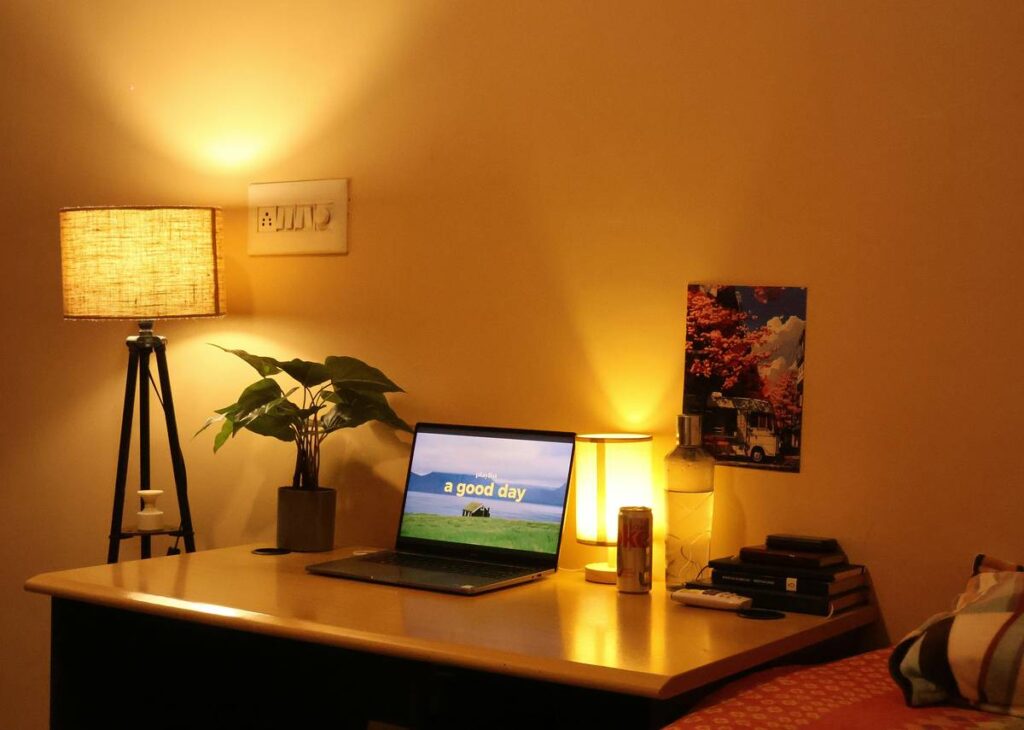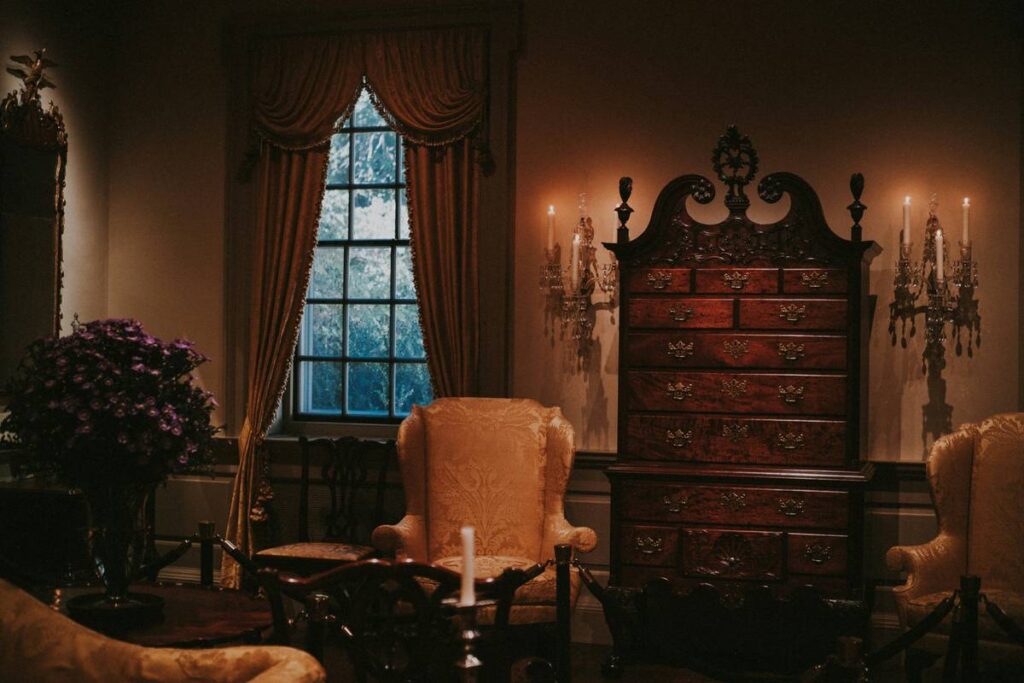
Your living room feels flat. You’ve swapped throw pillows, repainted walls, even added that fancy rug—but something’s still off. It’s not the furniture. It’s the light. Harsh overheads flatten depth. Cold LEDs kill warmth. And “mood lighting” shouldn’t mean slapping in a red bulb and calling it done. Here’s the fix: updated mood lighting for living room setups that actually respond to how you live—not just how Pinterest says you should.
Why Most Mood Lighting Fails (Even When It Looks “Pretty”)
People treat mood lighting like decor—something visual to accessorize. Big mistake. Light isn’t just seen; it’s felt. Biologically. Psychologically. A static “warm white” bulb might look cozy in photos, but if it’s fixed at 2700K all day, your circadian rhythm fights it by 8 p.m. You get restless without knowing why.
And don’t get me started on those RGB strips glued under cabinets—more nightclub than nurturing nest. Real mood lighting adapts. It breathes with your routine. Most off-the-shelf solutions? They’re frozen in time.
Step-by-Step Guide to Building Truly Updated Mood Lighting for Living Room
Map Your Living Room’s Emotional Zones
Not every corner serves the same purpose. The reading nook needs focused, adjustable light. The conversation pit thrives on soft, indirect glow. Sketch your room—and label each zone by activity, not just furniture placement.
Ditch Single-Source Overheads
One ceiling fixture = one emotional setting. That’s prison lighting. Layer instead: ambient (general fill), task (reading, gaming), and accent (artwork, shelves). Each layer must be independently controllable.
Pick Fixtures That Learn, Not Just Light
Go beyond dimmers. Smart bulbs with tunable white (2200K–6500K) let you shift from sunrise alertness to candlelit calm—all from your phone or voice. Bonus: ones with geofencing auto-adjust when you walk in the door.
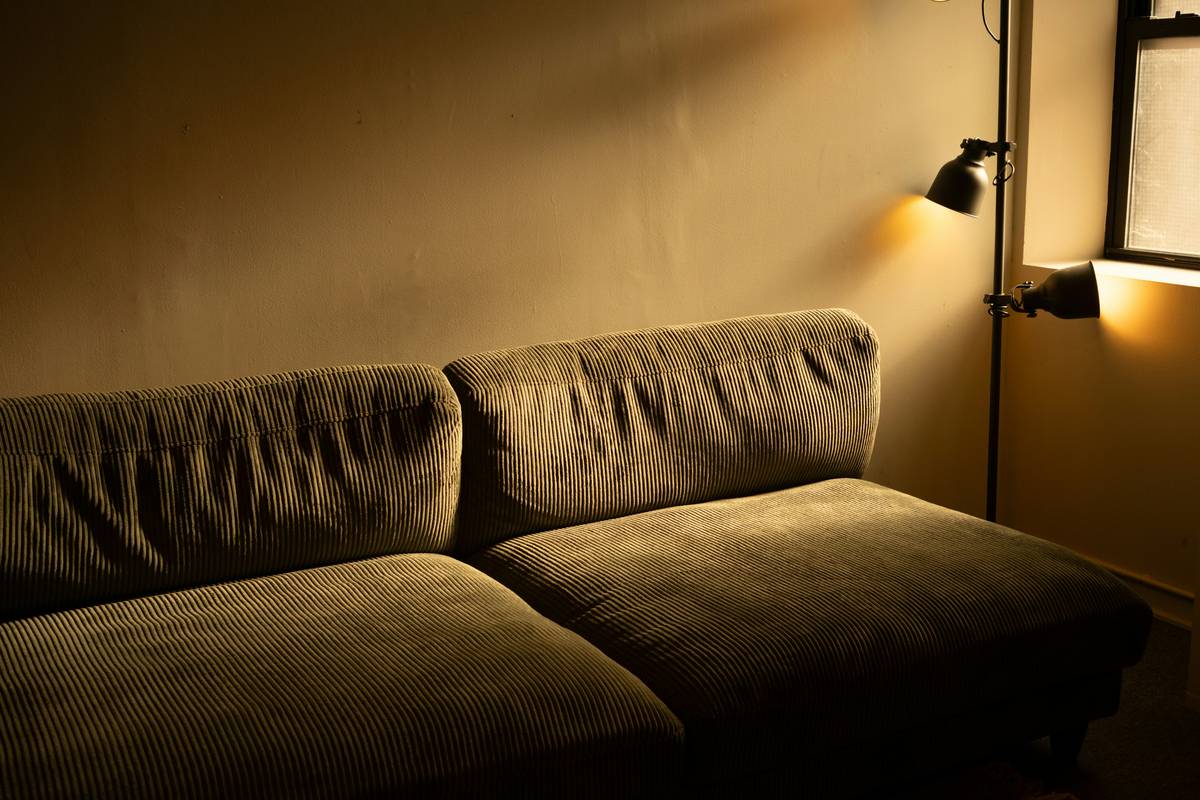
| Lighting Method | Upfront Cost | Flexibility | Circadian Support |
|---|---|---|---|
| Traditional Dimmable Bulbs | $20–$50 | Low (intensity only) | None |
| RGB LED Strips | $30–$100 | Medium (color variety) | Poor (often too blue-heavy) |
| Tunable White Smart Bulbs | $40–$80 per bulb | High (color temp + intensity) | Excellent |
| Integrated Smart Ambience System (e.g., Philips Hue + Lightstrip + Sensors) | $200–$500+ | Very High (automated scenes) | Optimal |
Schedule & Automate Like a Pro
Set routines. Morning: 4000K bright and energizing. Evening wind-down: 2400K, 30% brightness. Movie night: near-black with subtle floor wash. The magic isn’t in the hardware—it’s in the programming. Spend 15 minutes on this, and your space starts anticipating your moods.
The Industry Secret Nobody Talks About: Light Temperature Is More Powerful Than Color
Forget chasing rainbow hues. The real lever? Correlated Color Temperature (CCT). Shifting from 5000K (daylight) to 2200K (candlelight) triggers melatonin production faster than any lavender-scented diffuser. Top interior designers I’ve worked with quietly ditch RGB entirely for living rooms—they use only tunable white with hidden indirect sources. Why? Because humans evolved under a dynamic sky, not a disco ball. Mimic that, and your guests won’t just say “nice lights”—they’ll linger longer, talk deeper, and feel inexplicably *better*. That’s the goal.
Frequently Asked Questions
What is the best color temperature for living room mood lighting?
Aim for 2200K–2700K in evenings for relaxation. During daytime, 3500K–4000K keeps energy levels balanced without glare.
Can I install updated mood lighting without rewiring?
Yes. Smart bulbs, plug-in floor lamps, and adhesive LED strips require zero electrical work. Just screw in, plug in, or stick on.
How many light sources do I need for proper ambient mood lighting?
Minimum of three: one ambient base (like cove lighting), one task source (adjustable floor lamp), and one accent (wall sconce or shelf strip).