Your home office feels flat. Distracting. Draining. You’ve upgraded your chair, added plants, even tried that fancy ergonomic desk—but the lighting still screams “basement storage room.” Harsh overhead LEDs zap your energy by 2 p.m. And dim, yellow bulbs make you yawn instead of type. Here’s the fix: intentional lighting mood home office design isn’t about aesthetics alone—it’s neuroscience in disguise.
Why Your Current Lighting Is Sabotaging Your Workflow
Most people treat home office lighting like an afterthought—toss in a ceiling fixture, plug in a cheap desk lamp, call it a day. But ambient lighting directly impacts circadian rhythm, melatonin suppression, and visual fatigue. Standard setups flood your space with uniform, high-CCT (correlated color temperature) light that spikes cortisol and kills concentration. Worse? They ignore vertical illumination—the light bouncing off walls—which defines spatial depth and reduces eye strain. You’re not lazy. Your lighting is working against you.
How to Build the Perfect lighting mood home office (Step by Step)
Forget “brighter is better.” Mood lighting for productivity blends layers, temperatures, and directionality. Follow this sequence:
Select Your Color Temperature Strategically
Aim for 4000K during core work hours—clean white without the clinical blue spike of 5000K+. After 6 p.m., shift to 2700K–3000K to signal wind-down mode. Use smart bulbs or dual-temperature fixtures so you’re not stuck in one spectrum all day.
Layer Light Sources Vertically
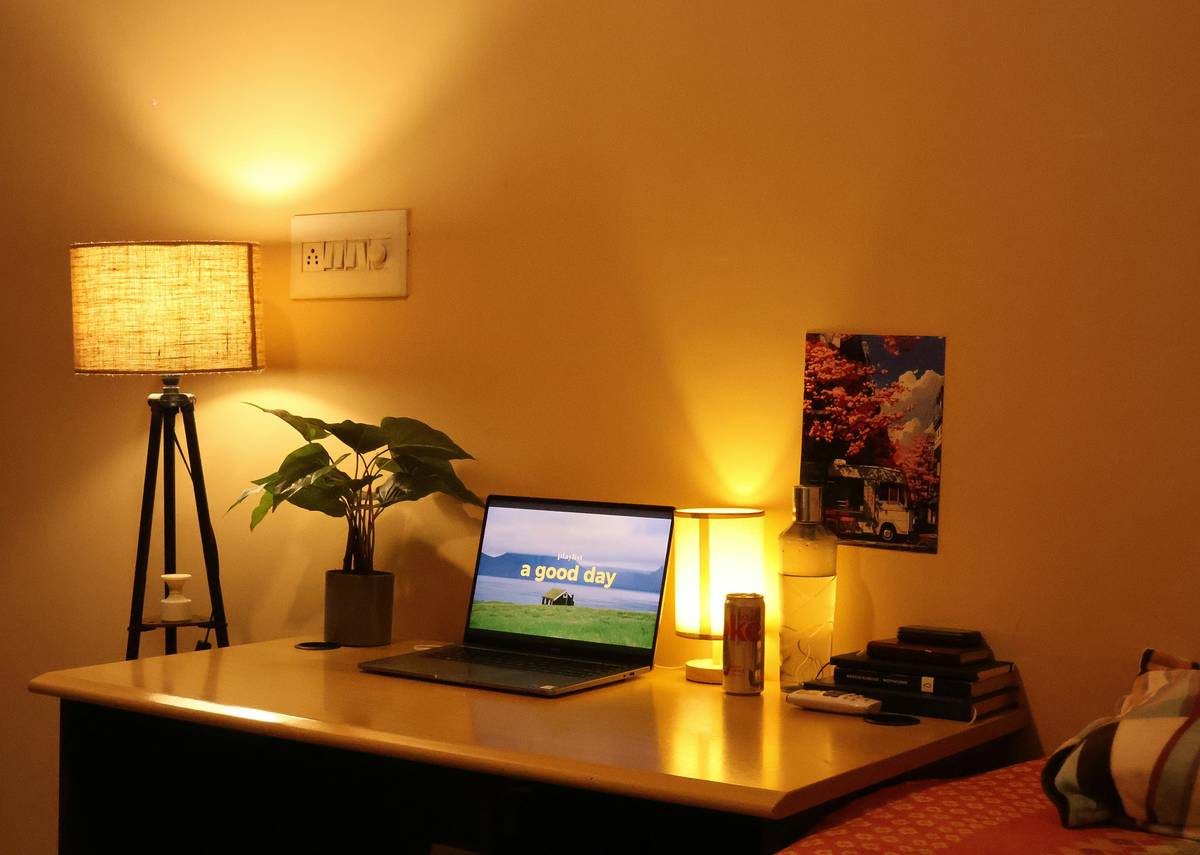
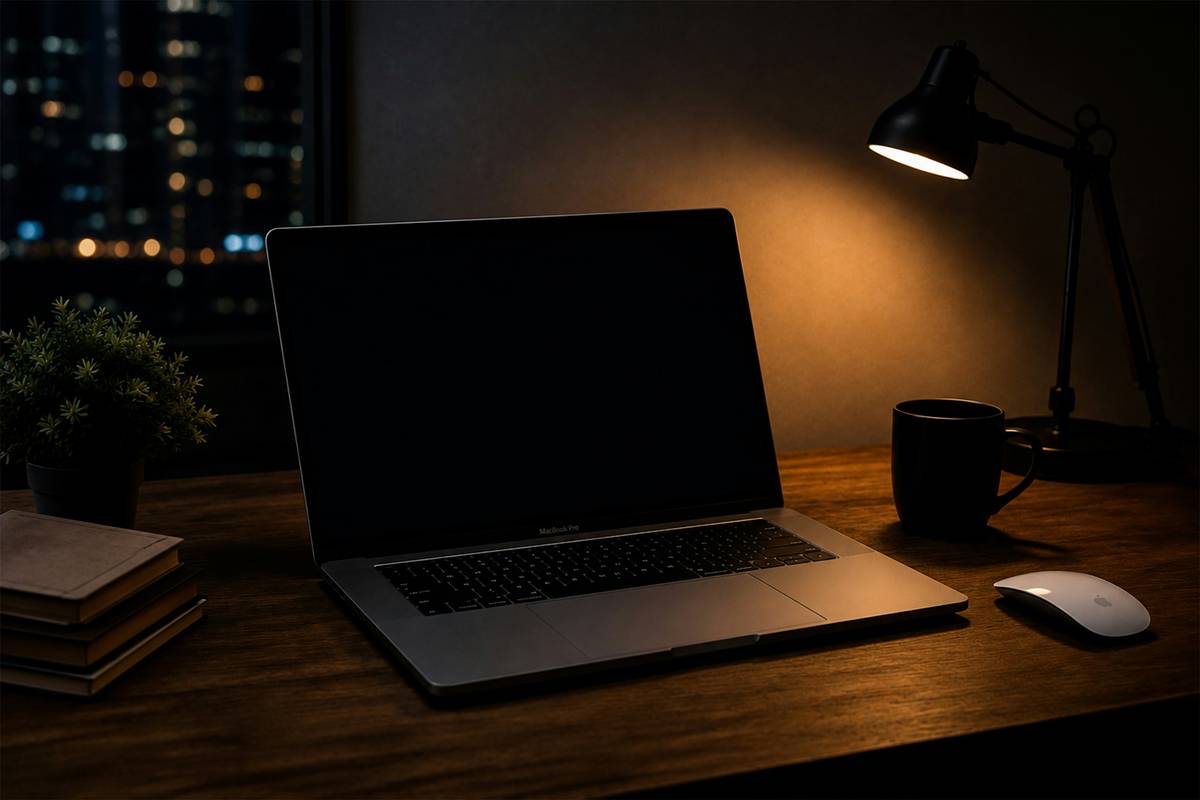
Overhead alone = flat, fatiguing. Add indirect uplights (floor lamps aimed at ceilings), mid-level task lighting (adjustable arms over desks), and low-level accent sources (LED strips behind monitors). This creates dimension—and tricks your brain into perceiving the space as larger and calmer.
Control Intensity Without Compromise
Ditch on/off switches. Install dimmers on every circuit. Better yet, use app-controlled systems that auto-adjust brightness based on time of day or ambient sunlight. Bonus: set “focus scenes” that slightly boost intensity during deep work blocks.
| Lighting Layer | Purpose | Ideal Fixture Type | Cost Range |
|---|---|---|---|
| Ambient (General) | Even base illumination | Recessed LED downlights or indirect ceiling cove | $50–$200 |
| Task (Focused) | Direct work surface lighting | Adjustable arm desk lamp with diffuser | $30–$150 |
| Accent (Mood) | Add depth, reduce glare, set tone | LED strip behind monitor or wall sconce | $15–$80 |
The Industry Secret: Your Walls Are Underlit (And It’s Costing You Focus)
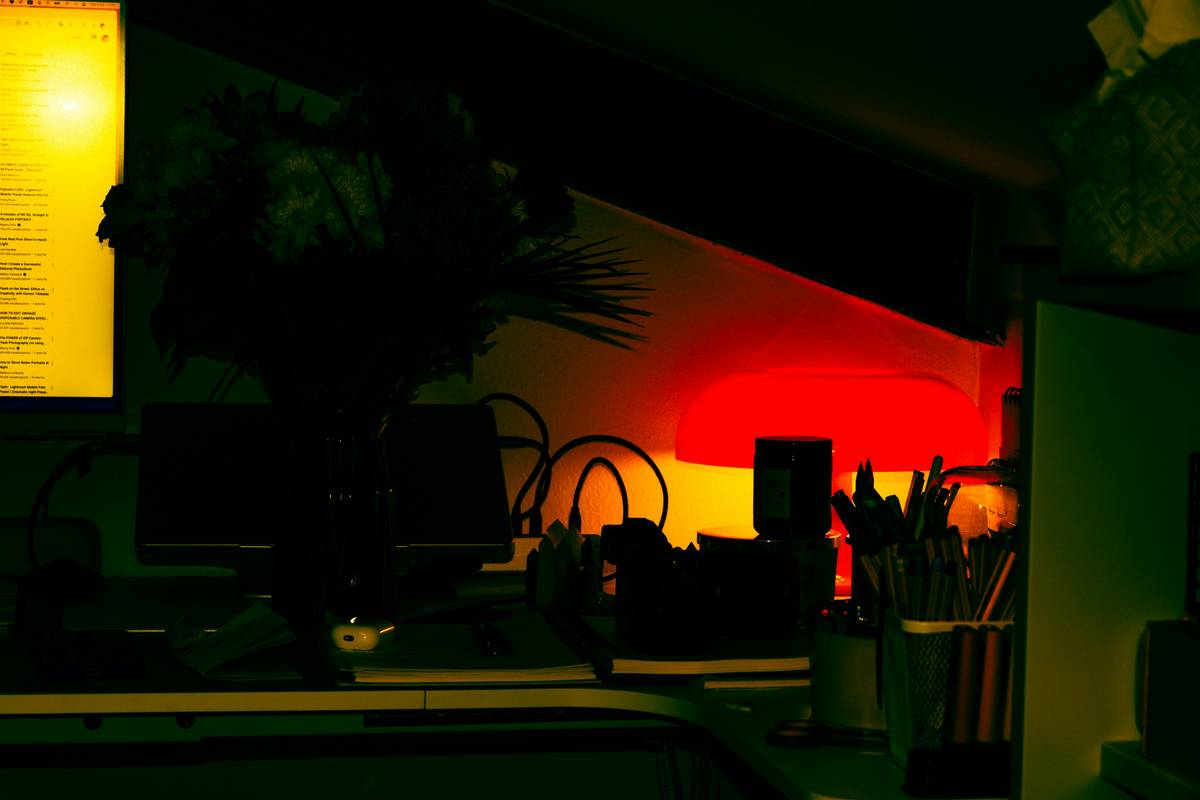
Here’s what lighting designers won’t tell you: 70% of perceived room brightness comes from reflected light—not direct beams. Yet most home offices leave walls in shadow. The fix? Install upward-facing floor lamps or bias lighting behind your monitor that washes soft, neutral-white light onto vertical surfaces. This slashes contrast ratios between screen and surroundings, reducing digital eye strain by up to 40%. And psychologically, well-lit walls trigger spatial awareness—making small rooms feel expansive and calm. Try it for one week. You’ll never go back.
Frequently Asked Questions
Can mood lighting actually boost productivity in a home office?
Absolutely. Proper ambient lighting stabilizes circadian cues, reduces glare-induced fatigue, and minimizes distractions—directly improving focus duration and output quality.
What’s the best color temperature for a lighting mood home office?
Use 4000K for daytime work—crisp but not cold. Switch to 2700K–3000K post-sunset to support natural melatonin rise and mental decompression.
Do I need smart bulbs for effective mood lighting?
Not mandatory—but highly recommended. Smart systems automate temperature and intensity shifts, removing decision fatigue and ensuring consistent circadian alignment.