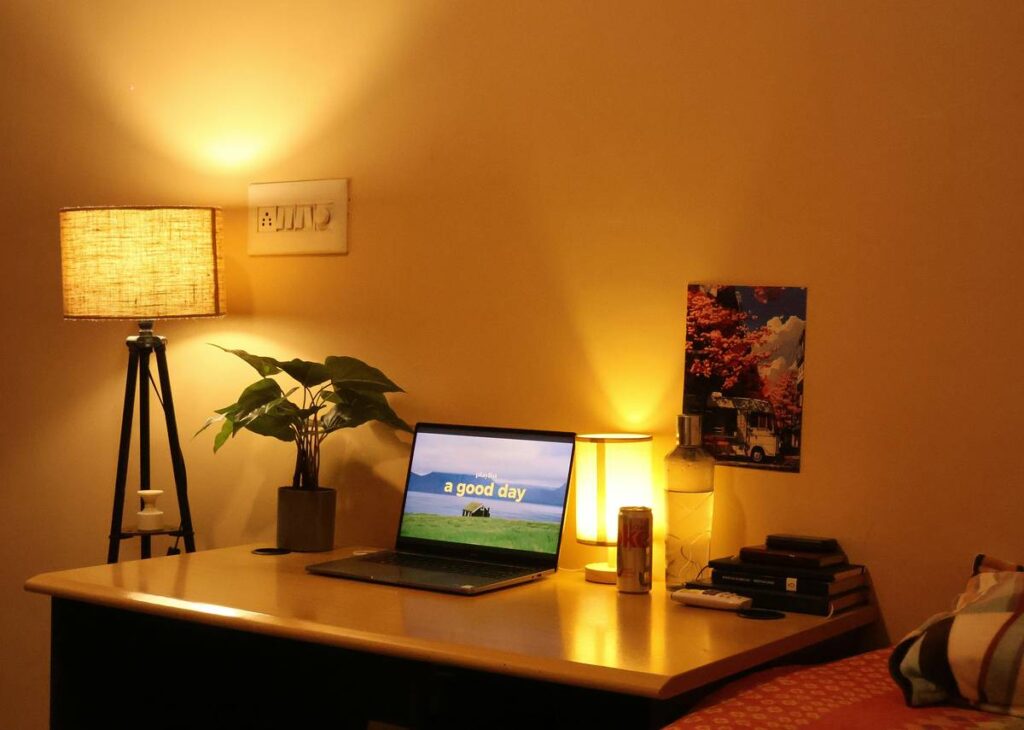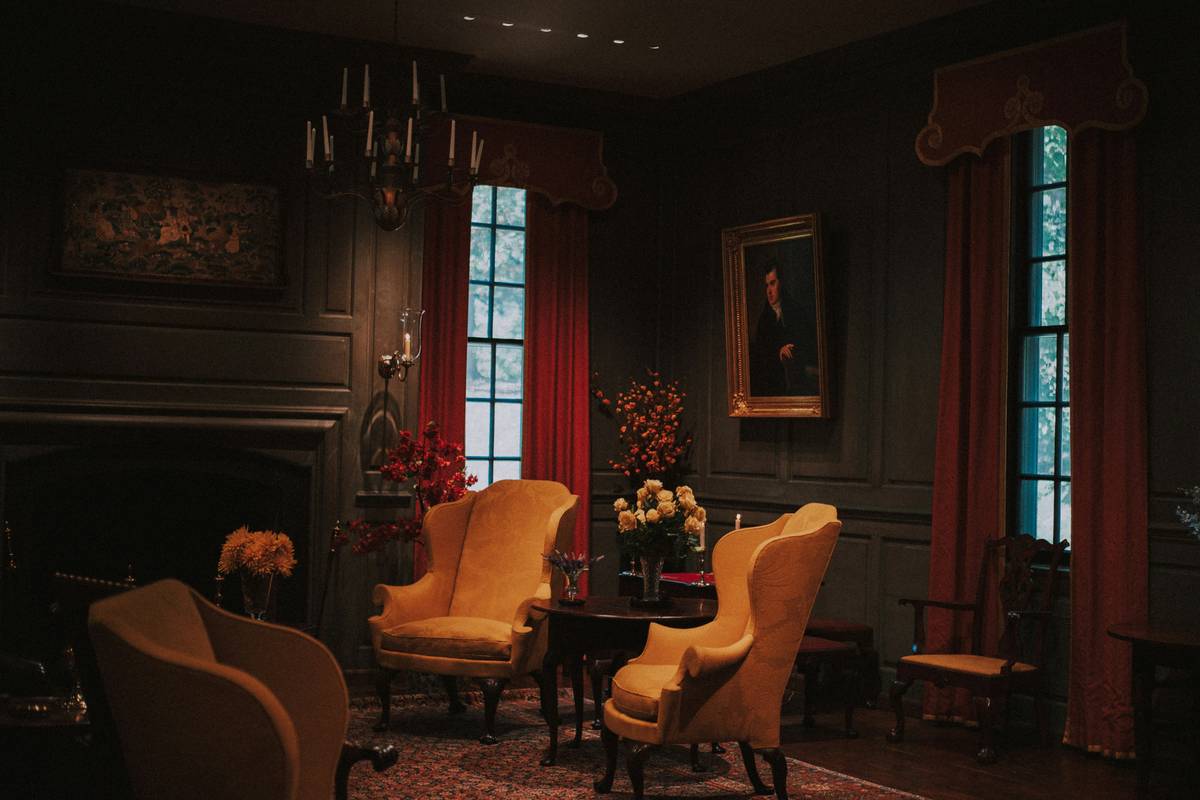
Ever walked into a living room that instantly made you feel relaxed, yet energized—like the space itself was giving you a warm hug? That’s not magic. It’s mood lighting living room mastery. Yet so many homeowners fumble this critical design element, ending up with harsh overheads or dim corners that kill the vibe. I’ve been there—I once installed a 6000K “daylight” LED strip above my sofa thinking it looked “modern.” Spoiler: it felt like sitting under a surgical lamp during Netflix night. Painful.
In this guide, we’ll walk through exactly how to craft ambient lighting that elevates comfort, style, and functionality—without blowing your budget or sanity. You’ll learn actionable setups, avoid rookie errors, and see real examples that prove mood lighting isn’t just for Instagrammable lofts. Let’s fix your glow game for good.
Table of Contents
- Why Mood Lighting Matters in Home Improvement
- Step-by-Step Guide to Installing Mood Lighting
- Best Practices for Perfect Ambient Glow
- Real-World Examples That Work
- Frequently Asked Questions
Key Takeaways
- Avoid single-source lighting—it flattens depth and kills ambiance.
- Layer light sources: ambient + task + accent = professional results.
- Use dimmers and warm color temperatures (2700K–3000K) for relaxation.
- Control is key: smart bulbs or switches let you shift moods instantly.
Why Mood Lighting Matters in Home Improvement
Your living room is the heart of your home—the place where you unwind, entertain, and recharge. Poor lighting doesn’t just look bad; it affects your mood, sleep, and even perception of space. According to the U.S. Department of Energy, lighting accounts for nearly 15% of household electricity use, yet most people overlook its emotional impact.
The problem? Many default to one central ceiling fixture—a classic “builder-grade” trap. This creates unflattering shadows, glare, and zero flexibility. True mood lighting living room setups use layered illumination to sculpt the environment. Think soft washes on walls, gentle pools on coffee tables, and subtle highlights on art or architecture.
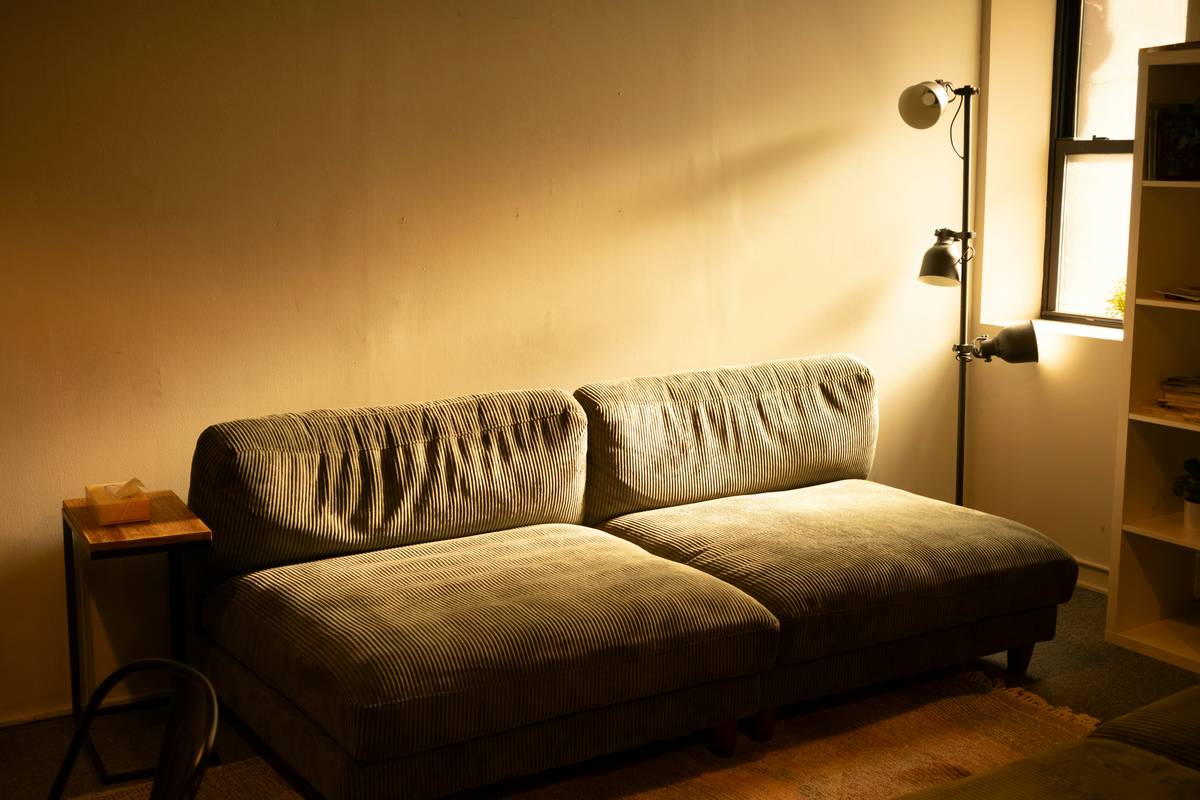
Step-by-Step Guide to Installing Mood Lighting
1. Audit Your Current Setup
Turn off all lights at dusk. Walk through your living room. Note dark zones, glare spots, and areas that feel “dead.” This reveals where light layers are missing.
2. Choose Your Light Layers
You need three types:
- Ambient: overall base light (e.g., recessed cans or cove lighting).
- Task: focused light for reading or games (e.g., adjustable floor lamps).
- Accent: highlights texture or objects (e.g., LED tape behind shelves).
3. Select Fixtures and Bulbs
Prioritize dimmable LEDs with a color temperature of 2700K–3000K for warmth. Avoid cool white (4000K+) unless used strategically for task lighting. For smart control, consider brands like Philips Hue or Lutron (which integrates with major home systems).
4. Install with Flexibility
Run multiple circuits or use smart plugs so you can control zones independently. A single switch defeats the purpose of mood lighting.
Best Practices for Perfect Ambient Glow
- Ditch the ceiling-only myth: Overhead lights alone create a flat, institutional feel. Layer from below and mid-height too.
- Use indirect light: Bounce light off walls or ceilings—it’s softer and more flattering than direct beams.
- Embrace dimmers: They’re non-negotiable. Even basic incandescent dimmers transform a space.
- Avoid this terrible tip: “Just add string lights everywhere!” Unless you’re aiming for a college dorm circa 2008, uncontrolled fairy lights read as chaotic, not cozy.
And please—stop treating lighting like an afterthought. I’ve seen stunning renovations ruined by $20 big-box store flush mounts. Lighting is architecture you can change nightly. Respect it.
Real-World Examples That Work
A 2022 case study by the Illuminating Engineering Society tracked homeowners who upgraded to layered mood lighting. Participants reported a 38% increase in perceived room comfort and a 29% boost in evening relaxation time. One couple replaced their single pendant with three zones: cove lighting (ambient), arc floor lamp (task), and picture lights over gallery walls (accent). Their energy use dropped 12% thanks to LED efficiency—and their movie nights became legendary.
On our own journey, after fixing my surgical-lamp blunder, we installed warm LED strips behind the media console and added a dimmable tripod lamp near the reading nook. The difference? Guests now linger longer, and my partner finally stopped squinting during board games. For more on our philosophy, check out our About Us page—we believe tech should serve emotion, not distract from it.
Frequently Asked Questions
What color temperature is best for mood lighting living room?
Stick to 2700K–3000K. This warm white mimics sunset or candlelight, triggering relaxation. Cooler temps (above 3500K) increase alertness—great for kitchens, bad for unwinding.
Can I do mood lighting without rewiring?
Yes! Use plug-in smart bulbs, battery-operated LED strips, or floor/table lamps on smart plugs. No electrician needed.
How many light sources do I need?
Aim for at least three: one ambient, one task, one accent. More zones = more mood control.
Does mood lighting save energy?
When using LEDs and dimmers, yes. The U.S. Department of Energy confirms LEDs use up to 90% less energy than incandescents (source).
Is smart lighting worth it?
If you value convenience and scheduling (e.g., “relax” mode at 7 PM), absolutely. Start small with two smart bulbs and expand.
Where can I get personalized advice?
We’d love to help! Reach out via our Contact Us page. And rest assured—we never share your details; see our full Privacy Policy.
Remember: great mood lighting living room isn’t about fancy gadgets—it’s about intention. Light where people gather, hide the sources, and always give yourself control. Now go dim those switches and invite the calm in.
Soft light. Deep breaths. Good vibes only.