You walk into your living room after a grueling day—expecting peace. Instead, harsh overhead LEDs zap your nerves like a dentist’s lamp. You’ve bought candles, smart bulbs, even Himalayan salt lamps. Yet true relaxation eludes you. Why? Because most “mood lighting” advice is stuck in 2015. Updated mood lighting for relaxation isn’t about more fixtures—it’s about smarter light behavior.
Why Your Current Mood Lighting Fails to Relax You
Traditional mood lighting leans too hard on color temperature alone. Yes, warm white (2700K–3000K) is better than cool daylight—but that’s table stakes now. The real issue? Lack of dynamic range. Your eyes evolved under sunrises and firelight—both change intensity and hue gradually. Static bulbs? They’re visual static.
And most smart systems overcomplicate it. Scheduling 12 scenes per day defeats the purpose of relaxation. Simplicity breeds calm—not app notifications reminding you to “activate Zen Mode.”
Step-by-Step: Building Updated Mood Lighting for Relaxation
Forget slapping on dimmers and calling it a day. Real updated mood lighting for relaxation works with your circadian biology—not against it. Here’s how:
Map Your Wind-Down Zones
Not every room needs the same light. Identify where you actually decompress: sofa corner, bathtub edge, reading nook. These micro-zones dictate fixture choice—not the whole room.
Prioritize Layered, Indirect Glow
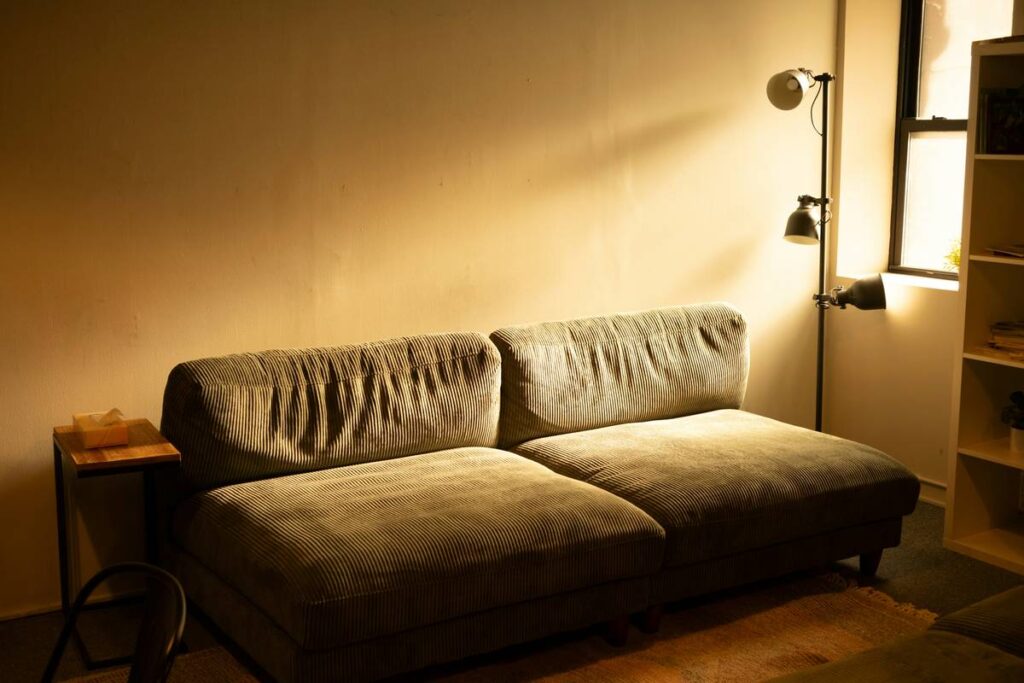
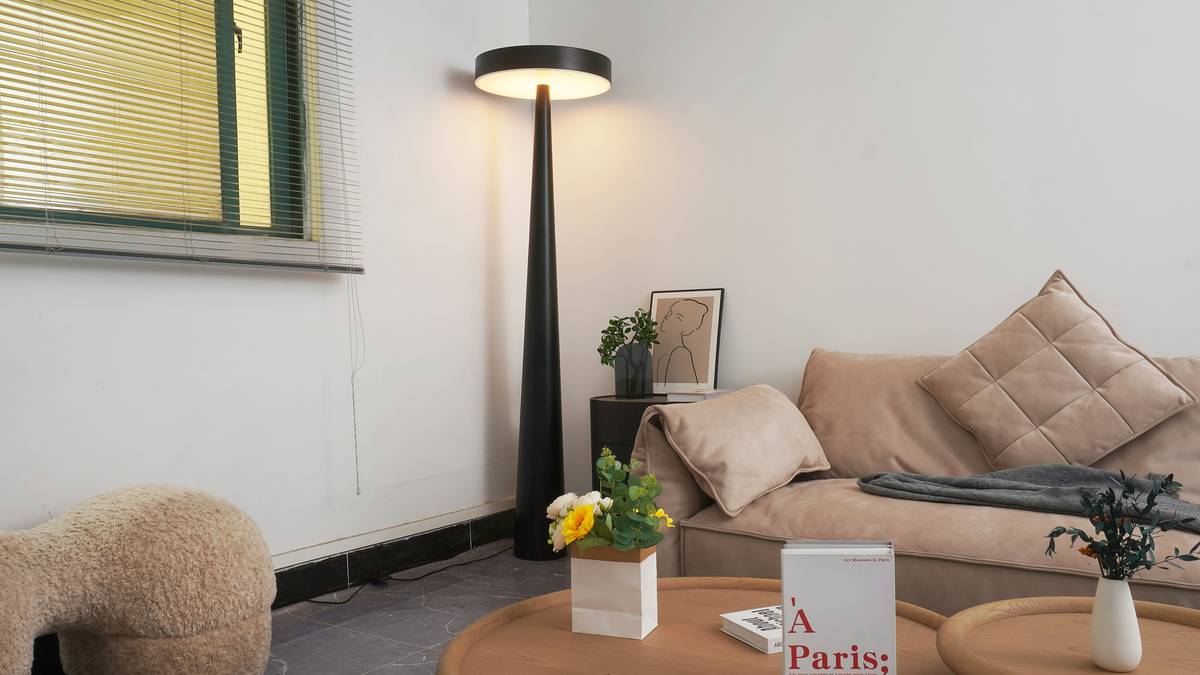
Direct light sources create glare. Aim for bounce: wall sconces aimed upward, floor lamps behind seating, LED strips tucked under shelves. Soft shadows = psychological safety.
Ditch RGB for Tunable White
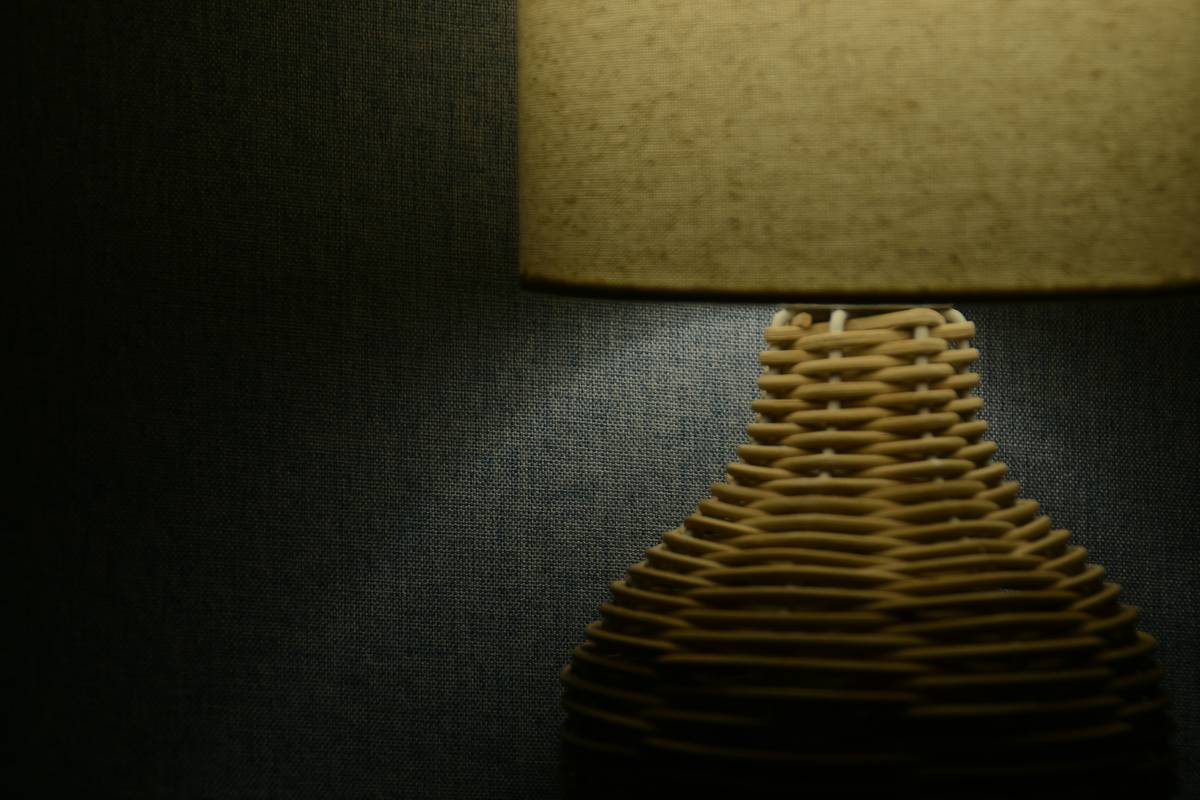
Purple party lights won’t melt stress. Invest in fixtures that shift from 2200K (candle-like) to 4000K (morning alertness)—no saturated colors. Your nervous system prefers monochromatic warmth.
| Lighting Method | Relaxation Efficacy | Setup Cost | Circadian Support |
|---|---|---|---|
| Overhead Recessed LEDs (static) | Low | $–$$ | Poor |
| RGB Smart Bulbs | Medium (if used wisely) | $$ | Fair |
| Tunable White Floor/Wall Lamps | High | $$$ | Excellent |
| Candles + Salt Lamps | Medium-High (but inconsistent) | $ | Good (2200K only) |
The Industry Secret: Light Should Fade—Not Switch
Here’s what lighting designers won’t tell you: abrupt transitions sabotage relaxation. Flipping a switch from “bright” to “dim” shocks your pupils—and your amygdala. The fix? Passive dimming via occupancy + time.
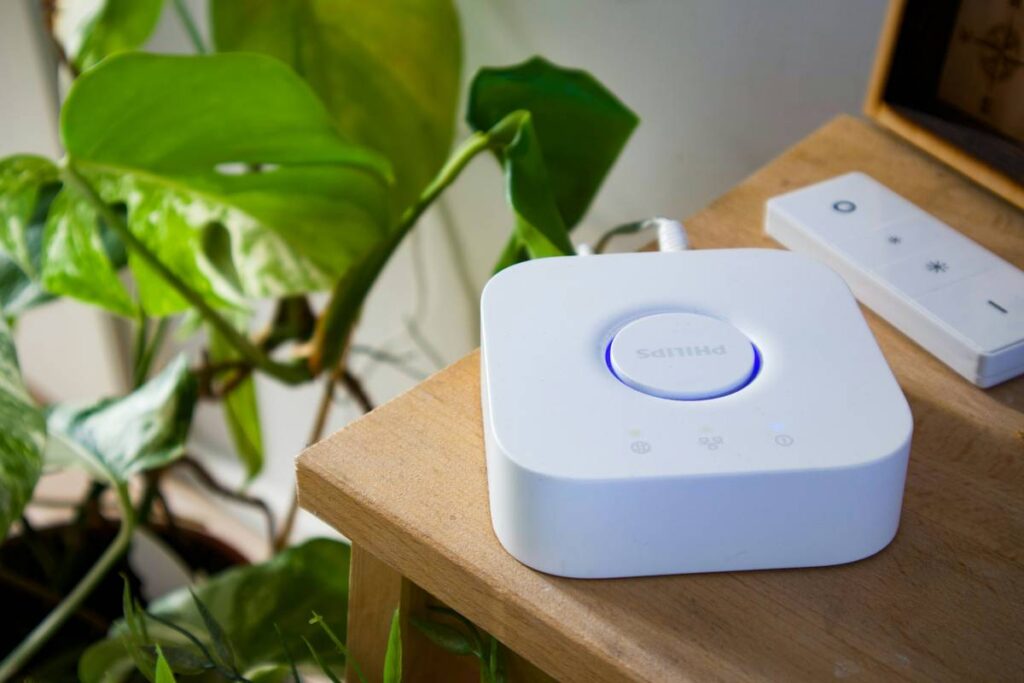
Imagine this: As dusk hits, your main lights don’t turn off. They bleed down over 20 minutes—from 80% to 30%—while accent lights slowly brighten. No app. No voice command. Just physics meeting biology. Some high-end systems do this silently; others require DIY Zigbee automations. But the effect? Immediate mental decompression. Try it. You’ll feel the difference in 48 hours—or your money back (metaphorically, since I’m not selling anything).
Frequently Asked Questions
What color temperature is best for relaxation?
Aim for 2200K to 2700K—similar to candlelight or sunset. Avoid anything above 3000K in evening wind-down zones.
Can mood lighting reduce anxiety?
Yes—if it’s warm, indirect, and dynamically dimmed. Harsh or flickering light spikes cortisol. Smooth, low-intensity glow lowers it.
Do I need smart bulbs for updated mood lighting?
No. Manual dimmers + warm-white LEDs work fine. Smart tech helps automate transitions—but poor design can’t be fixed by an app.