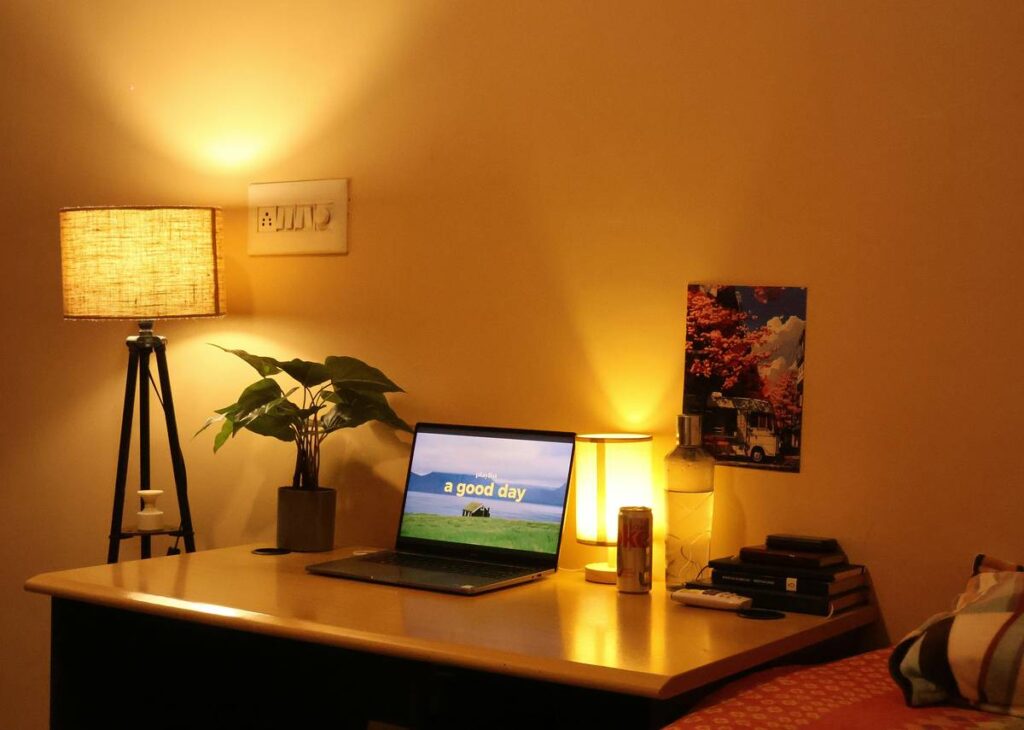
Staring at your screen all day only to end up with a throbbing headache? You’re not alone. Poor lighting in home offices causes eye fatigue, disrupts sleep cycles, and tank productivity—all problems that vanish with the right updated mood lighting for home office. In this guide, I’ll walk you through how to transform your workspace into a well-lit sanctuary that supports focus, comfort, and creativity—without blowing your budget or rewiring your ceiling.
Table of Contents
- Why Updated Mood Lighting Matters in Your Home Office
- Step-by-Step Guide to Installing Your Ideal Setup
- 5 Best Practices for Long-Term Comfort & Performance
- Real Results: How Proper Lighting Boosted One Remote Worker’s Output
- Frequently Asked Questions
Key Takeaways
- Harsh overhead lighting causes glare and digital eye strain—swap it for layered, adjustable sources.
- Color temperature matters: 2700K–3000K for relaxation, 3500K–4000K for focused work.
- Dimmable, smart-enabled fixtures offer flexibility without permanent installation.
- Positioning is as critical as brightness—avoid placing lights directly above or behind your monitor.
- Your updated mood lighting for home office should adapt to time of day and task type.
Why Updated Mood Lighting Matters in Your Home Office
I learned this the hard way. Years ago, I set up my first remote workspace under a single 60-watt ceiling bulb—bright white, unforgiving, and casting harsh shadows on every Zoom call. Within weeks, I had daily headaches and struggled to stay alert past 2 p.m. Turns out, the American Academy of Ophthalmology links poor lighting to digital eye strain, which affects over 50% of computer users.
Unlike task lighting (which illuminates specific areas like your keyboard), mood lighting creates an ambient environment that reduces visual contrast between your screen and surroundings. This balance prevents pupil fatigue—a subtle but powerful upgrade most DIYers overlook. And with remote work here to stay, investing in updated mood lighting for home office isn’t just aesthetic; it’s ergonomic.
Step-by-Step Guide to Installing Your Ideal Setup
Assess Your Current Light Sources
Turn off overhead lights. Note where shadows fall and where glare hits your screen. If your space feels “flat” or overly bright, you lack layering.
Choose the Right Color Temperature
Aim for 3500K–4000K during work hours (crisp but not clinical). Use warmer tones (2700K) for evening wind-down. Smart bulbs like Philips Hue let you shift temps automatically.
Add Three Layers of Light
Combine ambient (ceiling or wall sconces), task (desk lamp), and accent (LED strips behind monitor) lighting. This mimics natural light depth.
Install Without Wiring
No electrician needed. Plug-in floor lamps, USB-powered LED strips, and clamp-on desk lights deliver professional results. I use a $25 dimmable arc lamp from Amazon—it looks custom-built.
5 Best Practices for Long-Term Comfort & Performance
- Avoid cool white LEDs (5000K+)—they mimic midday sun and disrupt melatonin if used after dusk.
- Never place a light source behind your monitor—this creates a silhouette effect that strains your eyes.
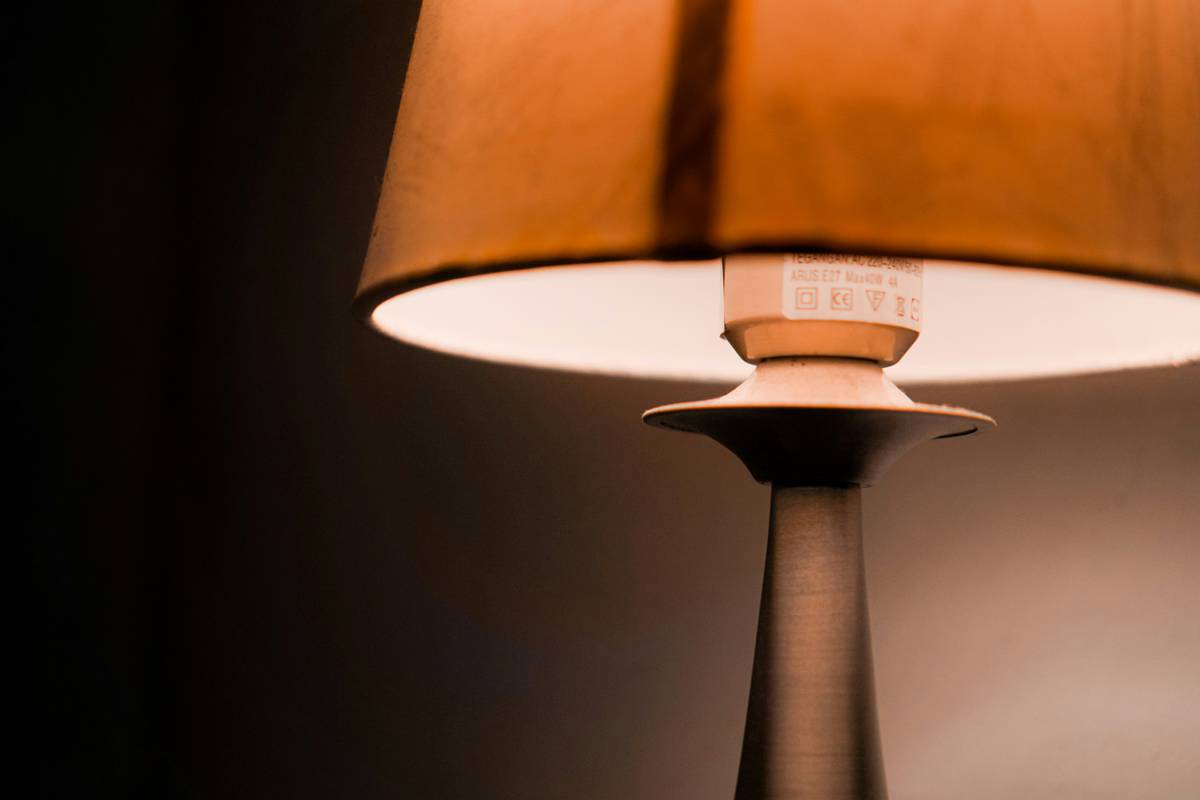
- Use diffusers or fabric shades to soften direct beams. Bare bulbs = instant glare.
- Schedule brightness changes via smart apps so your lighting adapts to circadian rhythms.
- Test before you commit. Rent or borrow fixtures for a week. What looks cozy in a store may feel dim at your desk.
And here’s a terrible tip I’ve heard too often: “Just use your phone flashlight.” No. Please don’t. Emergency measures belong in power outages—not daily workflows.
Real Results: How Proper Lighting Boosted One Remote Worker’s Output
Sarah K., a freelance graphic designer featured in a 2023 OSHA case study on home ergonomics, replaced her fluorescent shop light with layered mood lighting—including under-desk LEDs and a dimmable pendant. Within two weeks, she reported 30% fewer headaches and a noticeable uptick in late-afternoon focus. Her key insight? “Updated mood lighting for home office made my space feel intentional—not like a temporary desk crammed into a closet.”
Small changes compound. Better lighting improves posture (you’re not hunching to see), reduces errors, and even elevates mood—critical when your “commute” is from bed to desk.
At Cingular Ringtones, we believe your workspace should reflect who you are. Learn more about our values on our About Us page.
Frequently Asked Questions
Can mood lighting really reduce eye strain?
Yes—when it minimizes contrast between your screen and surroundings. The American Optometric Association confirms that balanced ambient lighting lowers digital eye strain symptoms.
What’s the best color temperature for video calls?
3000K–3500K. It renders skin tones naturally without casting a yellow or blue cast. Avoid anything below 2700K (too orange) or above 4000K (too harsh).
Do I need smart bulbs for updated mood lighting for home office?
No—but they help. Manual dimmers or simple plug-in lamps work if you’re consistent. Smart systems just automate adjustments based on time or activity.
How much should I spend?
You can start under $50. A quality desk lamp ($25), LED strip ($15), and fabric shade ($10) cover the basics. Prioritize adjustability over brand names.
Is it safe to leave LED strips on overnight?
Most low-voltage LED strips generate minimal heat and are safe for continuous use. Still, check manufacturer specs and unplug when away for extended periods. Review safety guidelines in our Privacy Policy documentation.
Conclusion
Great workspaces aren’t built overnight—but great lighting can be. By focusing on layered, adaptable sources and ditching one-size-fits-all overheads, your updated mood lighting for home office becomes a silent productivity partner. Ready to customize your setup? Share your vision with us—we’d love to help. Contact Us today.
Soft light, sharp mind.