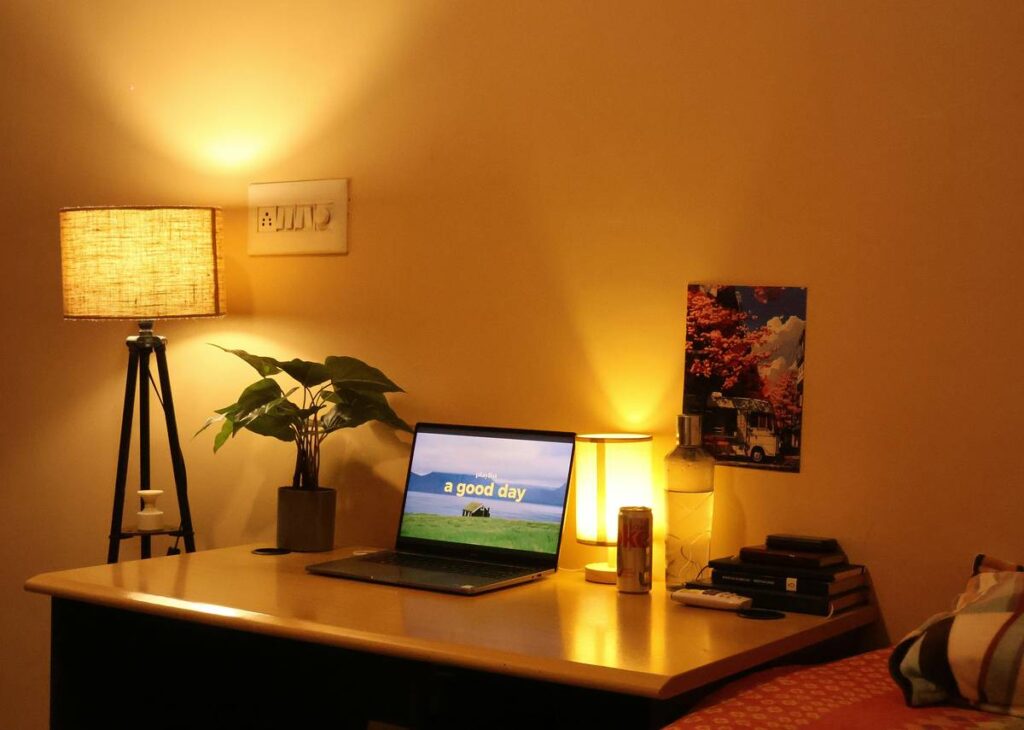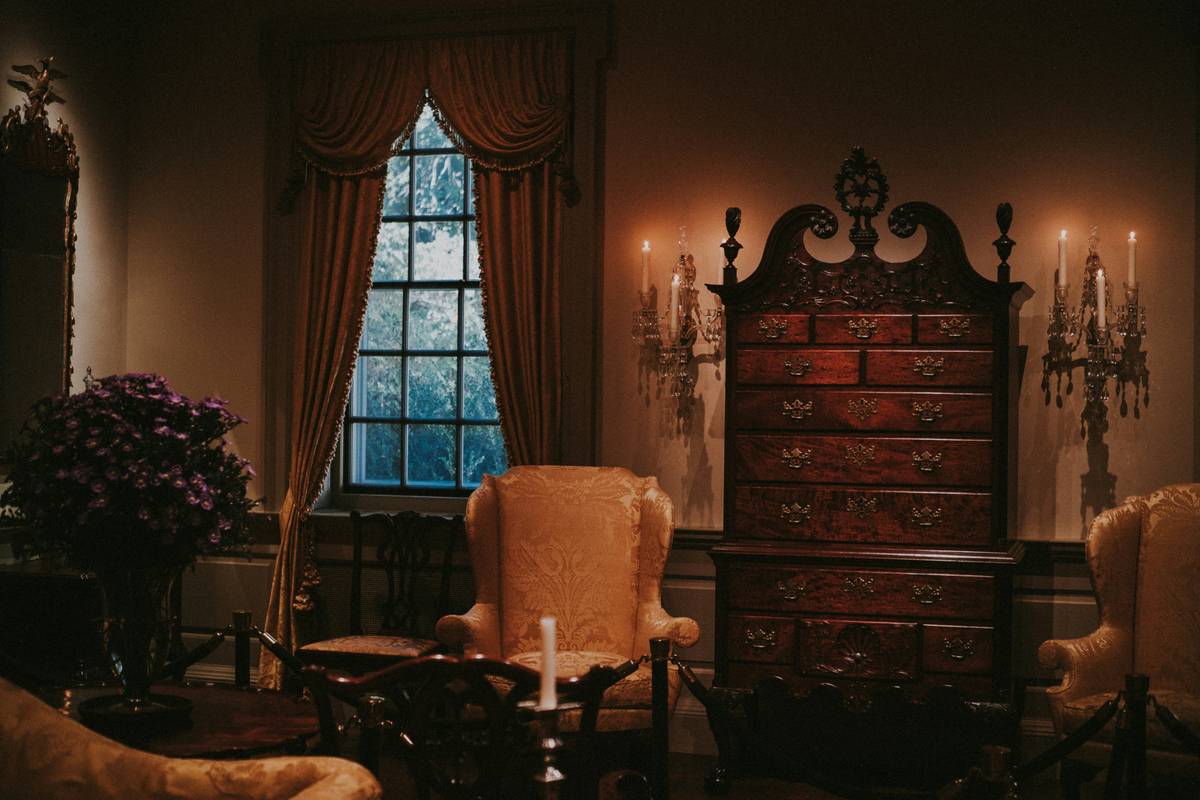
Your space feels flat. Like it’s stuck in 2012—harsh overheads, one bulb per room, zero atmosphere. You scroll Pinterest for “vibes” but end up with the same beige fixtures everyone else has. Here’s the fix: updated mood lighting ideas that don’t rely on gimmicks or expensive smart systems. Just strategic, human-centered light that makes people linger—and ask how you did it.
Why most mood lighting fails (and leaves rooms feeling “off”)
Most homeowners treat lighting like an afterthought—slap a dimmer on a ceiling dome and call it “ambiance.” That doesn’t work. Mood lighting isn’t about dimming; it’s about layering. And if you’re only using one source, you’re creating shadows—not depth.
Here’s the reality: Warm white bulbs alone won’t cut it. You need contrast, directionality, and intentional darkness. Without those, your “cozy corner” just looks underlit.
updated mood lighting ideas: A step-by-step guide
Forget apps and voice commands. Real mood control starts with three layers: ambient, accent, and task. Most skip the first two entirely.
Start with indirect ambient sources
Bounce light off walls or ceilings. Cove lighting, upward-facing floor lamps, or LED strips hidden behind furniture eliminate harsh glare—critical for ambient lighting that actually relaxes.
Add directional accents for drama
Use adjustable track heads or wall sconces to graze textures—brick, wood grain, fabric folds. This creates visual interest without brightening the whole zone. Think museum lighting, not office fluorescents.
Control color temperature physically
Ditch RGB party bulbs. Instead, install dual-circuit fixtures: one warm (2200K–2700K) for evenings, one neutral (3000K–3500K) for mornings. Flip the switch—no app needed.
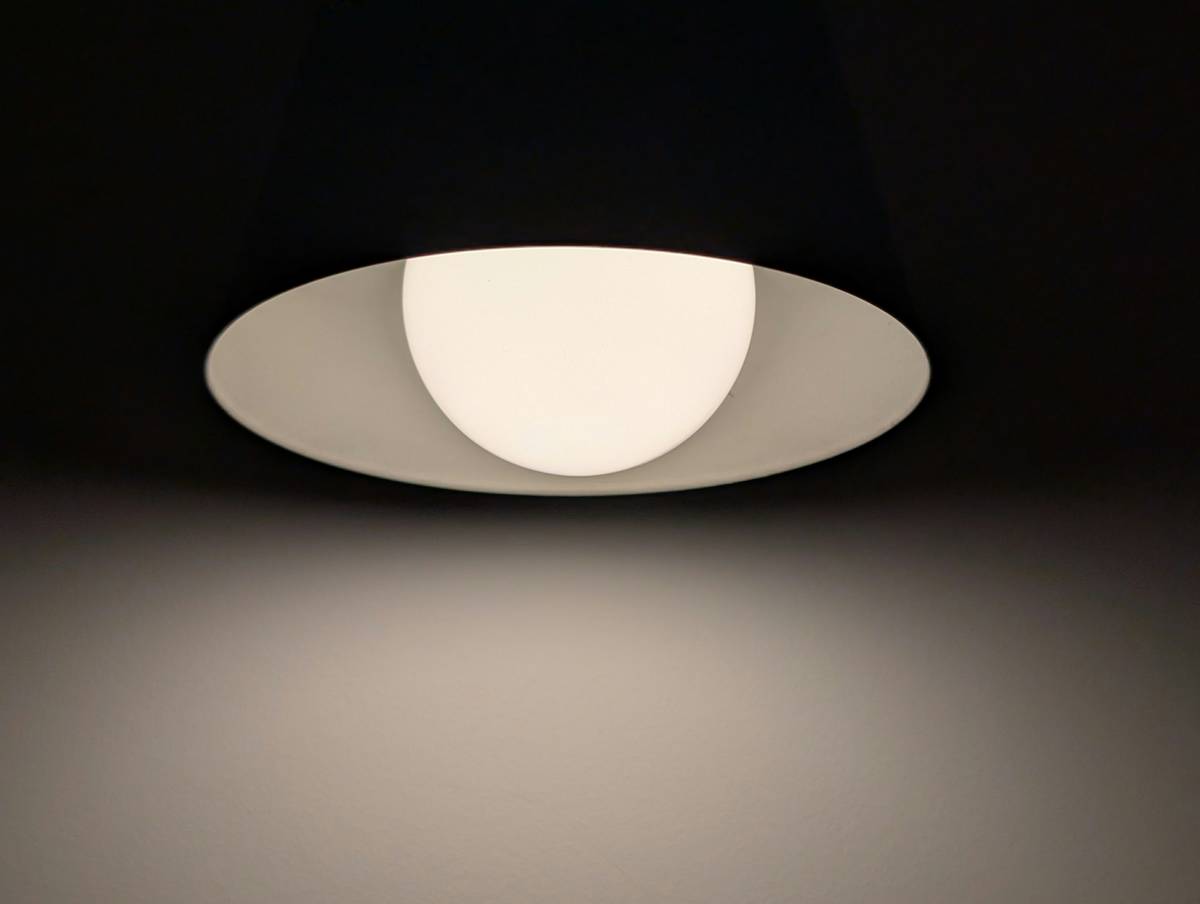
| Method | Average Cost | Setup Time | Mood Impact (1–10) |
|---|---|---|---|
| Hidden LED cove lighting | $80–$200 | 1–2 hours | 9 |
| Adjustable wall sconces | $60–$150 each | 30 mins/unit | 8 |
| Smart color bulbs | $40–$70 each | 10 mins + app setup | 5 |
| Floor lamp with upward shade | $50–$120 | 5 minutes | 7 |
The industry secret: Darkness is your co-pilot
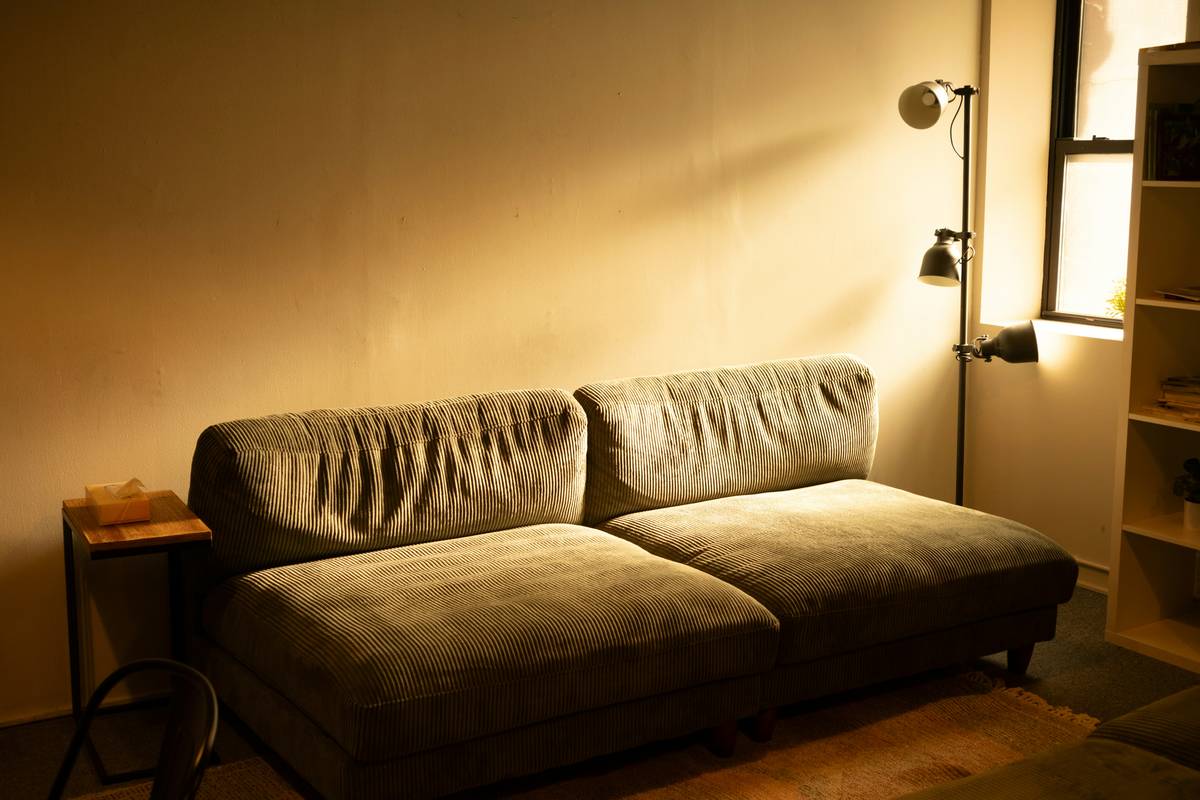
Here’s what lighting designers won’t tell you: mood lighting works best when parts of the room stay dark. Not dim—dark. Your eyes adapt, and the lit areas gain emotional weight. But homeowners panic. They overcompensate with fill light, killing contrast. The math is simple: if everything’s visible, nothing feels special.
Try this: turn off your ceiling fixture entirely. Use only two focused sources—a reading lamp and a low-level glow behind the bed. Suddenly, the room breathes. That’s ambiance. Not brightness.
Frequently Asked Questions
What’s the cheapest way to get updated mood lighting ideas working fast?
Swap out one overhead fixture for a plug-in floor lamp with a fabric shade aimed upward. Add a $20 LED strip behind your TV. Done in 15 minutes.
Can mood lighting help with sleep?
Yes—but only if you avoid blue-rich light after sunset. Stick to 2200K–2700K sources and keep screens dimmed. Bonus: use physical switches, not phone apps, to reduce pre-bed stimulation.
Do I need smart bulbs for good mood lighting?
No. In fact, they often add complexity without improving ambiance. Layered non-smart fixtures with manual dimmers give richer, more reliable results.